


Nāsadīya Sūkta – Vedantic Commentary
The Nāsadīya Sūkta is the 129th sUkta in the 10th Mandala of the Rg Veda. It is one among many Sūktas that talk about the nature of the self and the body, as well as the nature of the Supreme Brahman. Curiously, More...
The General Framework of Hinduism- I
Abstract The purpose of this paper is to present the general framework of Hinduism to develop our understanding of its nature and core principles and their significance to help resolve the tensions and complexities More...

Vedanta Darshanam
Veda and Vedanta Most people have heard of the Vedas. However, many are unsure of what exactly the Vedas are, and what the subject matter of Vedas is. Vedas are the undated (undateable?, although many researchers More...
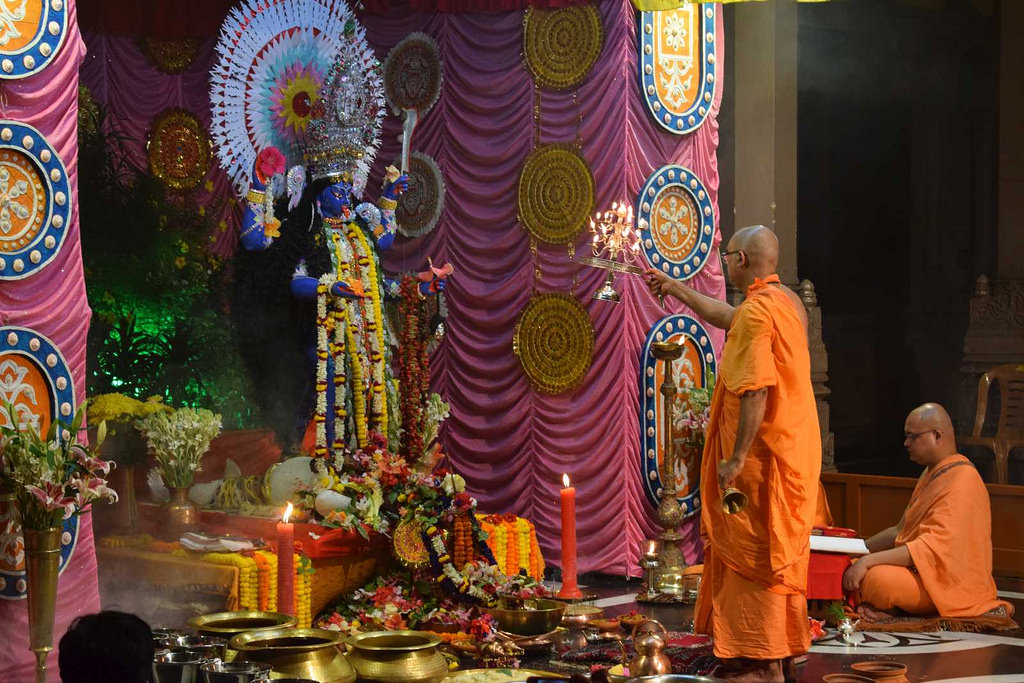
The Monistic Śākta Philosophy in the Guhyopaniṣad
Overview Studies on the pantheon of Kālī have either focused on autochthonous rituals and practices, or have read the canonized Tantric texts in relation to the Kashmiri traditions. In these readings, what has More...

Shashi Tharoor Goes Cherry-Picking: Some Reflections on Reading Why I am a Hindu
Human thinking is structured with layers upon layers of cognitive structures. Each word forms a structure that sets limits on a basic concept. On top of that, each concept-cluster that makes up our thoughts is structured, More...
Srishti & Beyond: Hindu accounts of Creation, Evolution and Non-Origination
“Which is the beginning of life? When did creation start? Of the waves in the ocean, which is the first? What is the boundary for the wind’s constant blowing? Such is the story of the universe.” – More...
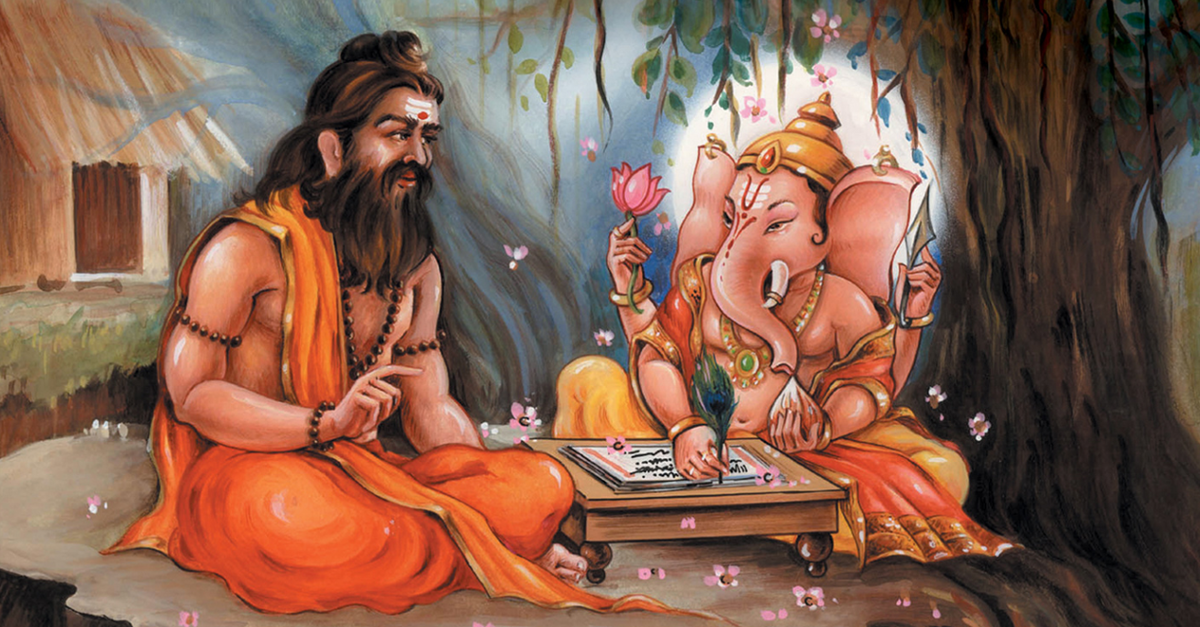
Mahabharata as a manual of Advaita Vedanta
[contextly_sidebar id=”HNd2i4bMWNuun0iJ25Hfz2r2ltOWm0EL”]I recently attended a four-day workshop titled “The Mahabharata as Itihasa”, which was not only enlightening for its exposition of the Mahabharata, More...
In Conversation with Nithin Sridhar on ‘Musings on Hinduism’
What is Dharma? Why do you call yourself a Hindu? After all, what is the Hindu view on certain issues like menstruation? Is there a distinct Hindu gaze? Also, is that gaze a fixed rigid gaze? Or is it something More...

Vairaagya and Sri Rama
The Valmiki Ramayana, for the most part, describes the Lord’s avatara as a human being who is a stickler for Dharma and a paragon of Vairaagya (renunciation). Rama’s inborn renunciation is well known and even More...
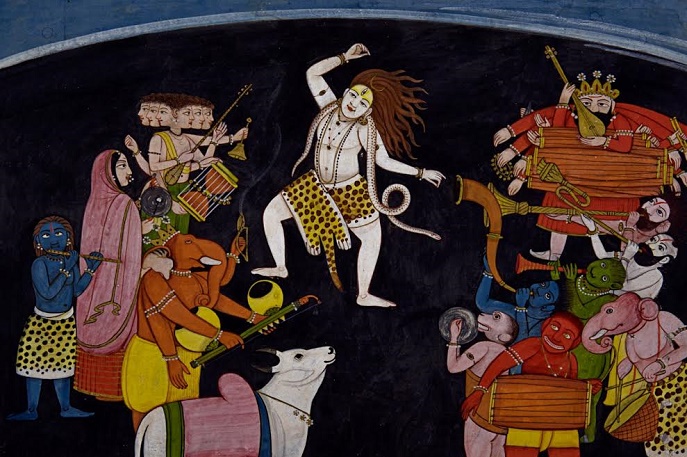
The Great Night of Lord Shiva
Shivaratri is unambiguously the most prominent and significant of spiritual festivals for all who worship Shiva and Shakti. Every year on the 14th tithi during the Krshna Paksha of the month of Magha or the month More...