


Minor Episodes in the Ramayana – Their Sociological Significance
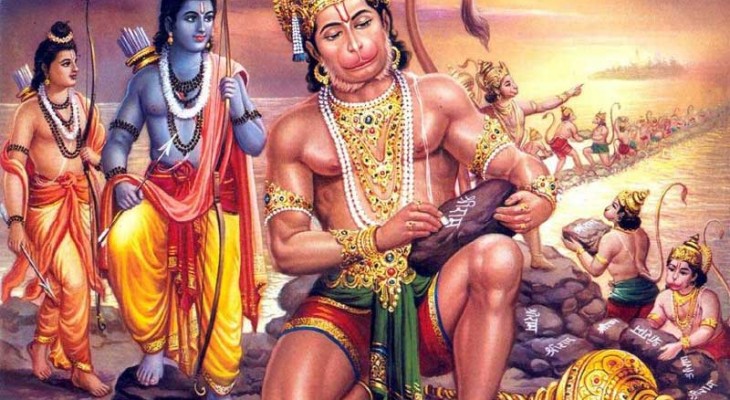
The objective of Vedic seers was to teach the two-fold dharma – that relating to worldly transaction and that relating to liberation. For this they developed three levels of literature in the Indian tradition – the Vedas, the itihāsa/purāṇa-s and the kāvya-s. Each level had its own style of communicating dharma – the Vedas would command like More...
Pollock’s Ramayana: A Review- II
The concluding part of the review of Prof Sheldon Pollock’s “Ramayana and Political Imagination in India” deals with “Temple cult theory” and refutes the political nexus between worship of Rama (Temple More...
Pollock’s Ramayana: A Review- I
Published in the backdrop of 1990 and 1992 communal riots of India, Professor Sheldon Pollock’s “Ramayana and Political imagination of India” is a classic example of misinterpretation of Indian culture and More...
Remembering Jallianwala Bagh: Nadir of colonialism and collaboration
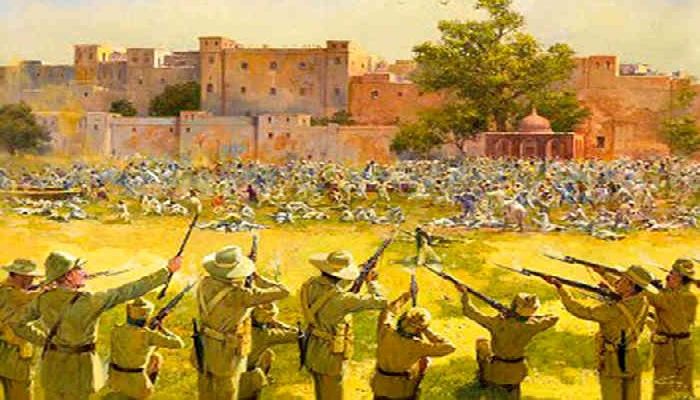
On Baisakhi Day, April 13, 1919, more than 20,000 unarmed men, women and children had gathered at Amritsar’s Jallianwala Bagh. Most had simply drifted into the park to relax after having attended the annual fair More...
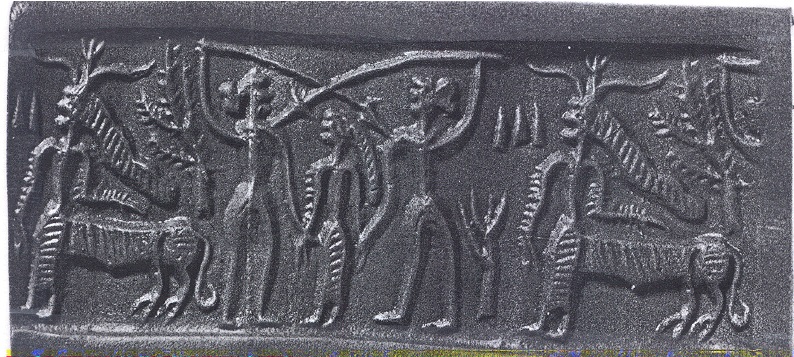
On the Chronological Framework for Indian Culture- 3
[contextly_sidebar id=”IRyLA2DQrmDxuaLXiqhAGbQeb5G7QYlM”] The Bharata War Let us review the three main Indian traditions regarding the time of the Bharata War. 1. The Puranic Evidence To examine this More...
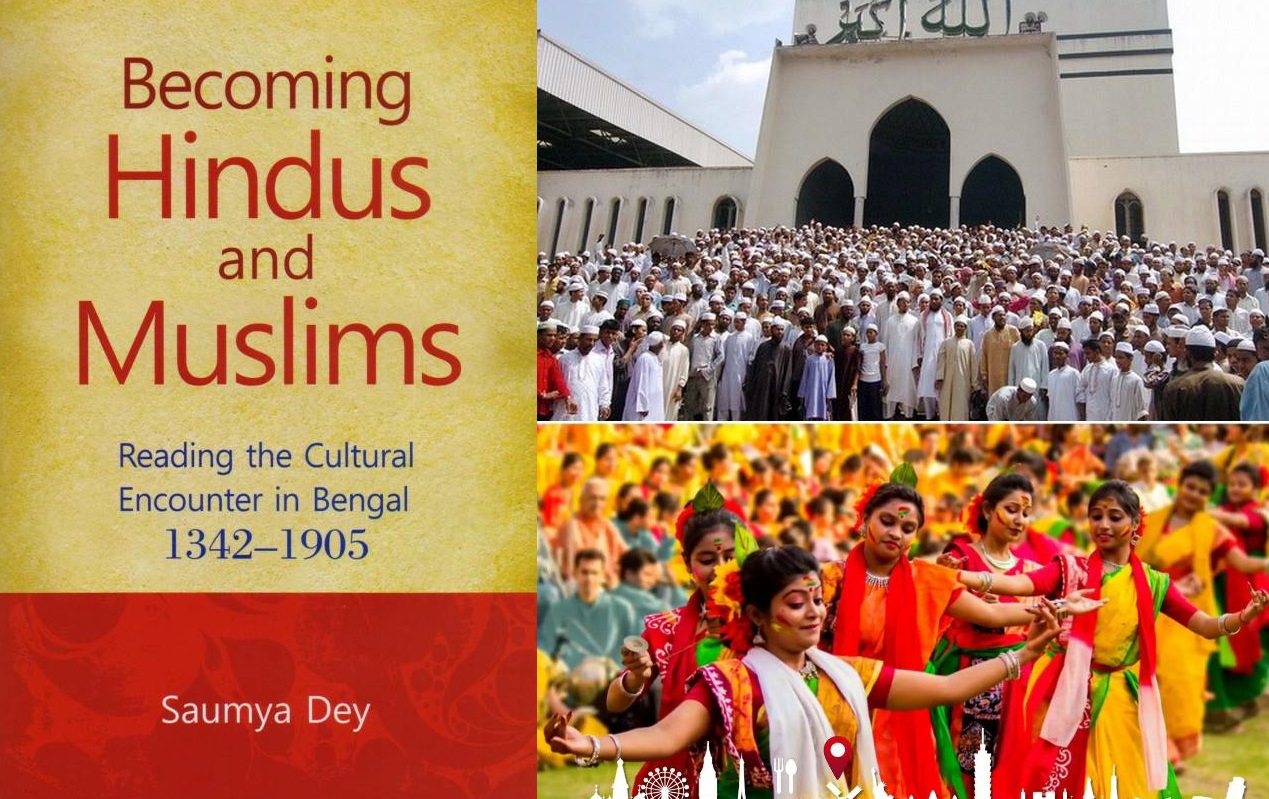
Book Review: Becoming Hindu and Muslims-Reading the Cultural Encounter in Bengal 1342-1905
Becoming Hindu and Muslims-Reading the Cultural Encounter in Bengal 1342-1905 by Saumya Dey has been published by Munshiram Manoharial Publishers Pvt.Ltd and is available on Amazon. Introduction Bengal records More...
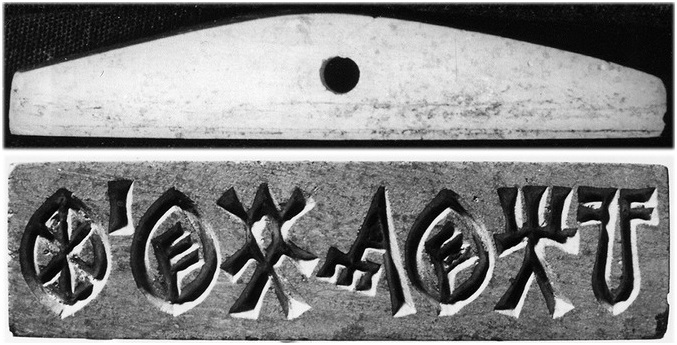
On the Chronological Framework for Indian Culture- 2
[contextly_sidebar id=”np5S5dXuRFu5gN2XgzIYhSeqNilY7xqy”] Chronology of the Vedic literature With the collapse of the Aryan invasion and immigration theory and the questioning of the assumptions upon More...
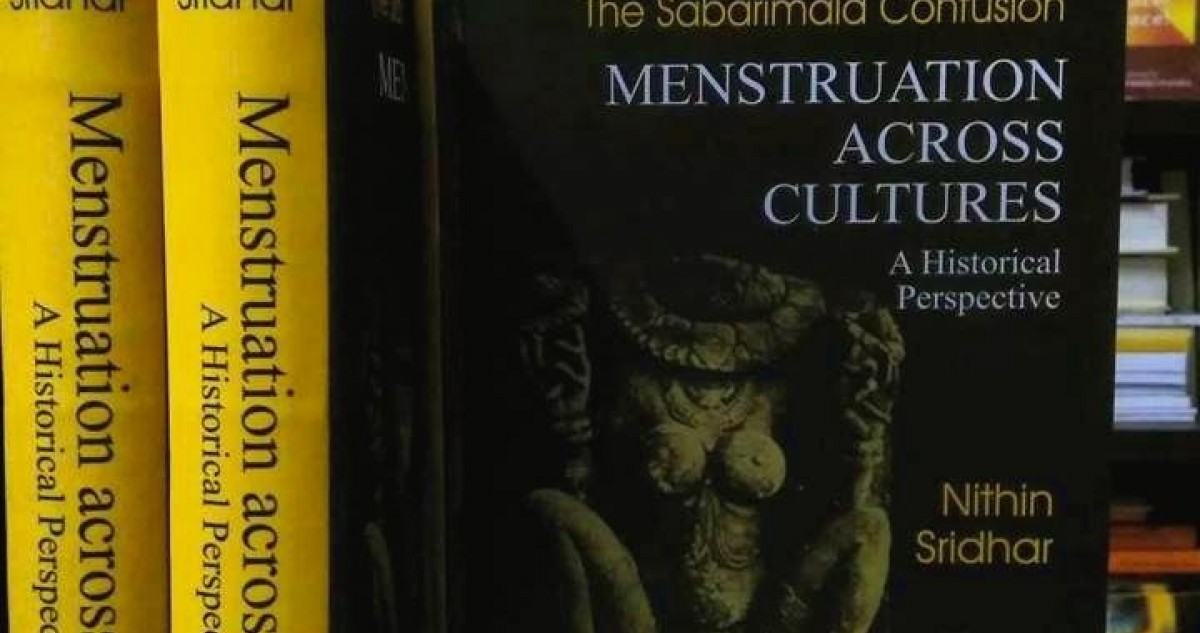
Book Review: Menstruation across Cultures- a Historical Perspective by Nithin Sridhar
Menstruation across Cultures- A Historical Perspective by Nithin Sridhar has been published by Vitasta Publishing and is available on Amazon Nithin Sridhar’s latest work, Menstruation across Cultures: a Historical More...
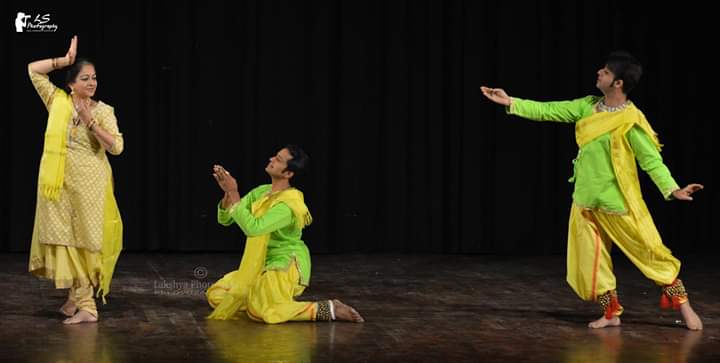
Literature as elements of Spiritual Communication in Awadh Kathak Parampara
In the Natyashastra (Science of Art), Bharatamuni shows how the four goals of life or the four puruṣārthas -Dharma (moral values), Artha (prosperity), Kama (pleasure) and Moksha (liberation) are achieved through More...
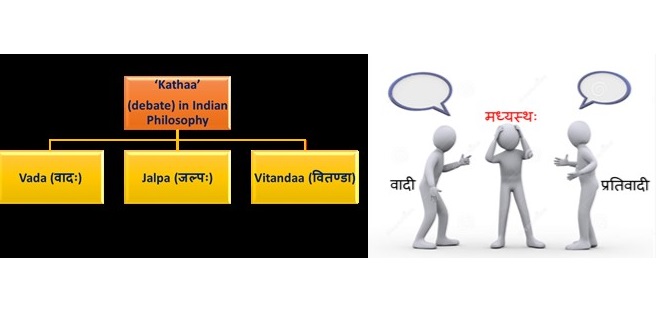
Tradition of debate (kathā) and its art & science (vāda-vidhi) in Indian philosophy
India has a unique tradition of what is known as kathā in general or vāda in particular that denotes the art and science of debate. When one studies the history of Indian philosophies over the last 3 millenniums More...