


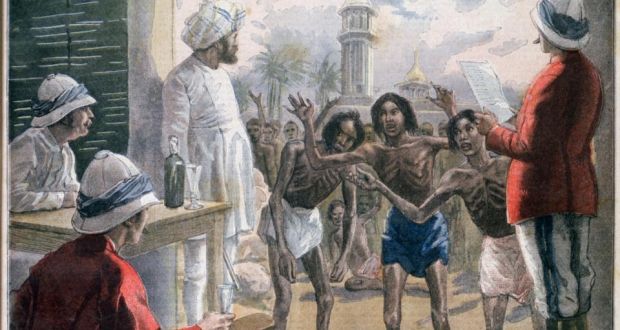
Deadly distortions of Colonial Rule- Notes from ‘A Ruler’s Gaze’ by Arvind Sharma- I
Edward Said wrote an important book called ‘Orientalism,’ where he noted Western representation of Eastern cultures as an exercise in exaggerating the differences, presuming Western superiority. Orientalism More...

Best of 2017: Articles you don’t want to miss
2017 has been another exciting year and IndiaFacts published some very important articles that has helped carry forward the grand Indic civilizational narrative by countering distortions and furthering debates on More...
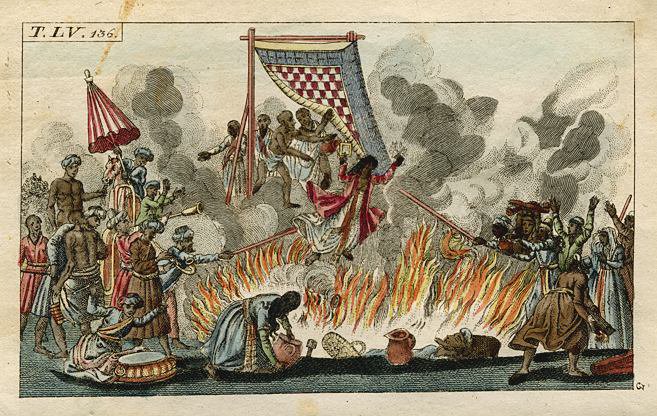
Sati and Atrocity Narrative for the Civilizing Mission
[contextly_sidebar id=”nVwJzIXjcxByz4glCwNHbRYD6UR6vGwO”] Colonial accounts of Indian Society created a narrative of “oppression” and justified the White Man’s rule as necessary for civilizing More...

Missionaries and the debate on Sati in Colonial India
[contextly_sidebar id=”eBWL193jr1eqjRNrR0EnysLd8SB4ovcL”] In the popular mind, sati was one of the ills of Hindu society that was abolished by the colonial Government on persistent pressure from British More...
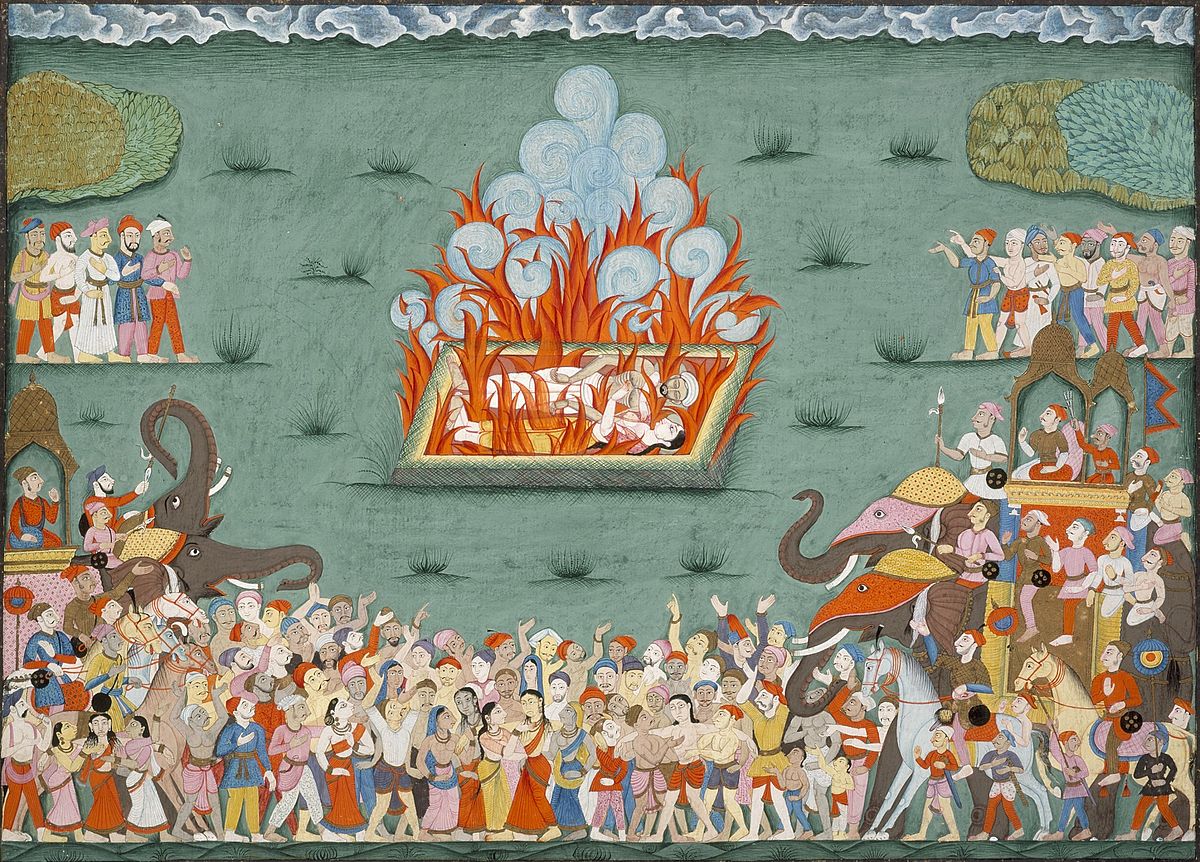
Sati: Re-examining the Historical Evidence from 1900BCE to 1900CE
[contextly_sidebar id=”GnN0AGXJ2EVZMovhWu4XYV84TjQvXvBe”] Sati is a practice of self-immolation of a widow either on her husband’s pyre or separately after her husband’s death. Polemics against Hinduism More...
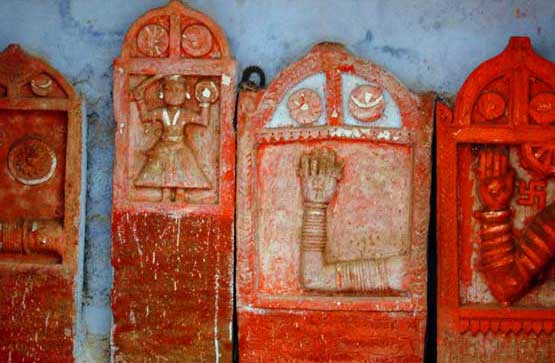
Revisiting Sati: Understanding the practice from a Dharmic perspective
[contextly_sidebar id=”acWzuURyvfuWPjeDVITpj3Oj8fUD7s0M”] Sati or “Widow-burning” as it is pejoratively called in the Colonial and Post-Colonial media and literature, has remained one of the most More...
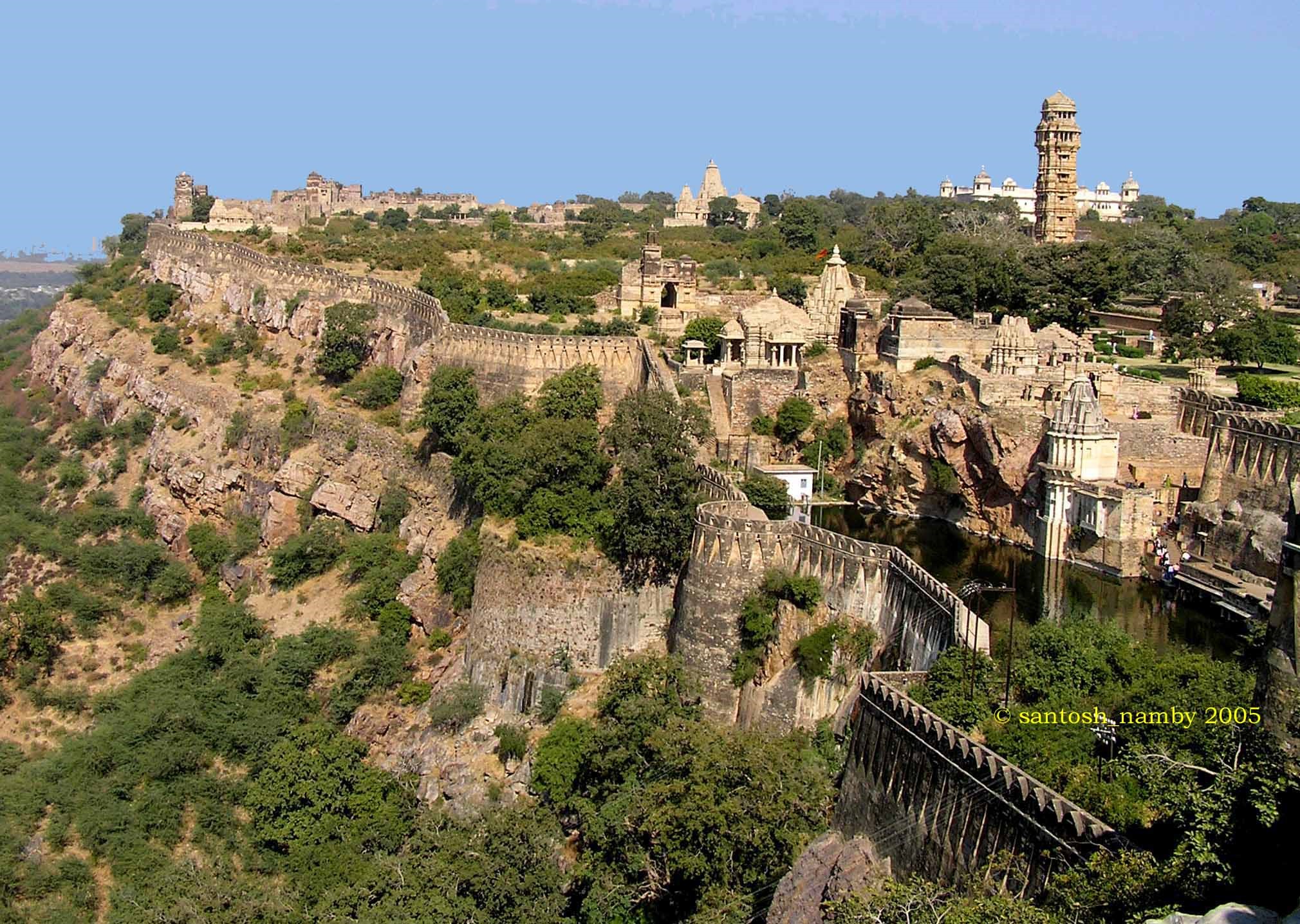
Jauhar-Shaka: When The Enemy Was At The Gate
[contextly_sidebar id=”Dy1qOa5oqIvbLXjcVsEjmX0JuG4SeCq2″] When the enemy was at the fort gates, when rations ran out, and when defeat was certain, Rajput kingdoms, especially in northwestern India followed More...
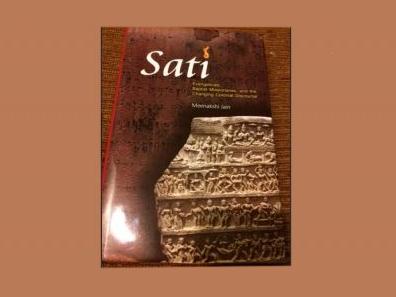
Book Review: Sati by Meenakshi Jain
Sati: Evangelicals, Baptist Missionaries, and the Changing Colonial Discourse by Meenakshi Jain (Amazon India, Amazon) In many ways this book documents the birth of atrocity literature and its first application More...