


Insights From the Mahabharata- IV: Jarasandha, Kalayavana, Vishwakarma, and Krishna!
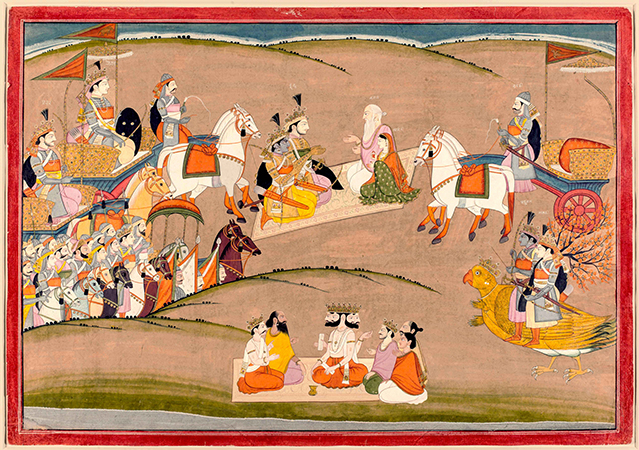
[contextly_sidebar id=”siEcPvG9jtVi1SutaHNKNyYcXdjXv2M9″] This one comes from the Harivamsha. There are three mini-tales here. Two of them have to do with people, while the third has to do with a city. That the Harivamsha has less to do with Hari may also come as a surprise, but that is a tale for another time. For this one, let’s More...

How India went from World’s Education Capital to Depths of Illiteracy –I
When Tagore started an open-air school at Shantiniketan in 1901, which later went on to become a famous university, he was one in a long line of educators from India, who believed that holistic learning could only More...
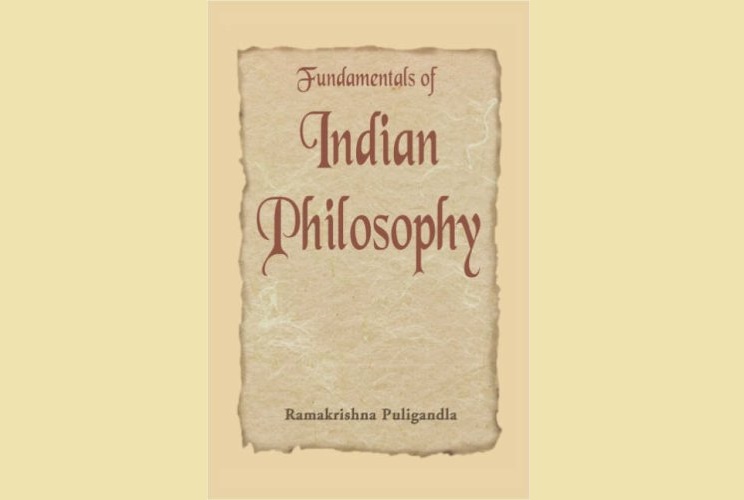
Book Review: Fundamentals of Indian Philosophy by Ramakrishna Puligandla
Ramakrishna Puligandla’s book, ‘Fundamentals of Indian Philosophy’ is a masterpiece book. It is a textbook apparently for many western university courses, and India should do the same at college level, especially More...

Perspectives from the Ramayana-I: Is Ganga a mere river?
“How can Sri Rama be a mortal, you arrogant fool? Is the god of love Manmatha a mere archer, the Ganga a mere stream, the cow of plenty a mere beast, the gift of food an ordinary gift, O ten-headed monster? Listen More...

Yamuna: A Study of its Links from the Sarasvati Findings-I
Introduction This paper focusses on the rivers, and their interconnections and linkages, especially Yamuna and Sarasvati, which flowed through the Kuru territories as described primarily in the Mahabharata, but More...
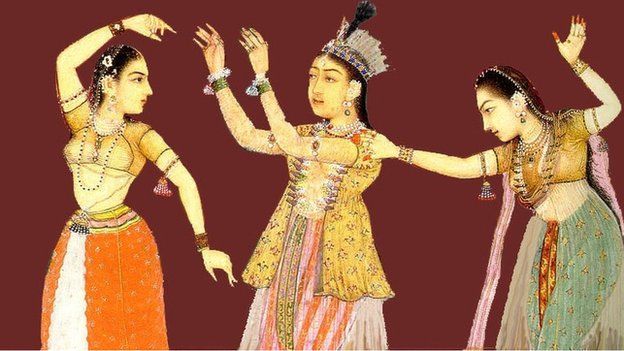
Manu Smriti’s profound understanding of Sexuality can counter sexual violence
[contextly_sidebar id=”S90bK5SH6JMabEPdef1ruuLw2La3472k”] “Contradictions do not exist. Whenever you think that you are facing a contradiction, check your premises. You will find that one of them is More...
Sūrya Namaskāra: Ancient Practice or Modern Invention? Controversy, Textual Evidence
Editor’s Note: The author is currently working on a two-part book series, entitled “The Ancient Roots of Sūrya Namaskāra and Vinyāsa-based Yoga”, where he would expand the themes covered in the current More...
Materialism in Ancient India
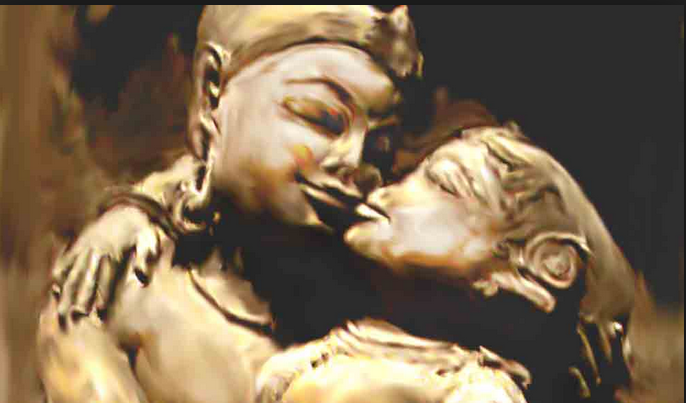
[contextly_sidebar id=”7fCRjNZCtewefwnXlo0RF9QgI1uvgRY9″] In my previous article “Reconstructing the History of the Ājīvikas”, I discussed the life of Makkhali Gosāla. He was the most prominent More...
Who is a Guru?
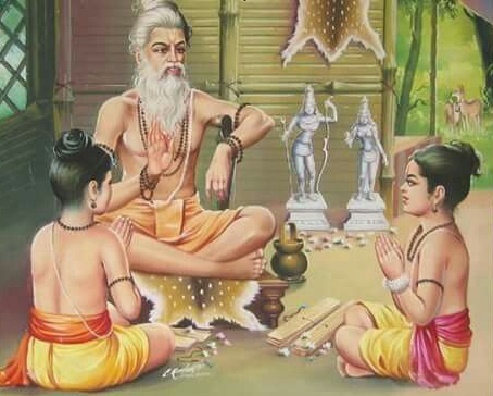
The Sanskrit word Guru is often mistranslated as a ‘teacher’. Teacher in Sanskrit is called as Shikshak. A teacher is someone who informs and educates us. A teacher is supposed to ensure that we learn to read, More...
A brief study of possession in Hinduism-II: The Spiritual Context
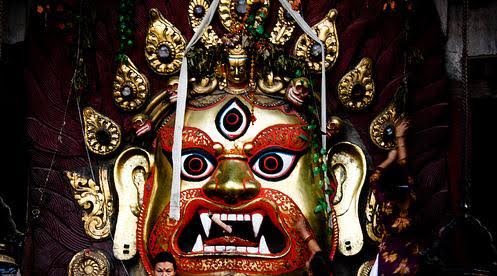
[contextly_sidebar id=”JJfzmWQUKhdNCtXJr0s5A2odKlfpfRP4″] Japanese scholar of Sanskrit and Buddhist literature, Minoru Hara, in his study of the Mahabharata lists nearly sixty semantic contexts in which More...