


Vedānga: The limbs of Vedic knowledge
The meaning of Saṃskrta (Devanāgarī: संस्कृत) word Veda (Devanāgarī: वेद) means knowledge of primordial origins, which Rishi-s (Devanāgarī: ऋषि) gathered over the time through More...
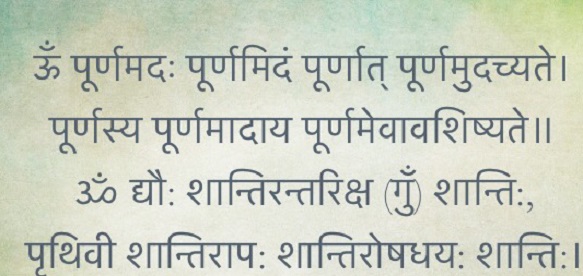
The Infinity Mantra -2
[contextly_sidebar id=”oEIbPkEUh6hJ8y2fKuX4PH2fSa6l3Zp2″] In the previous essay (1), we saw that the Upanishadic mantra (पूर्णस्य पूर्णमादाय पूर्णमेवावशिष्यते) More...
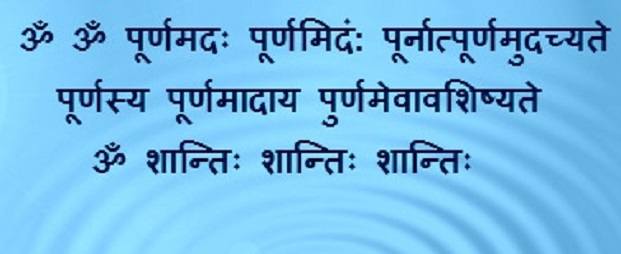
The Infinity Mantra – I
पूर्णस्य पूर्णमादाय पूर्णमेवावशिष्यते- declares the second line of one of the Shanti Mantra(1). This Shanti Mantra is associated with the Svetasvatara More...
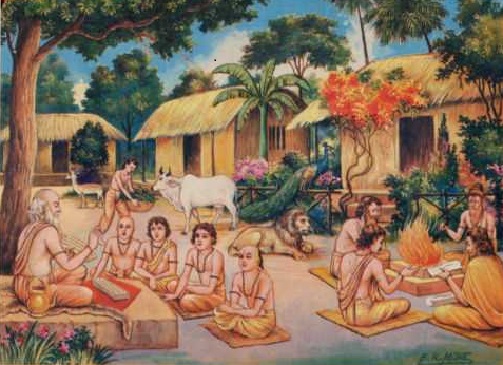
Continuous, Comprehensive and Cumulative – The Knowledge Tradition of India
What does India have to offer? It is a question which is often put to Indians by a curious visitor. The answer is seldom easy or straight. Indians usually launch into a confused ramble about the ‘diversity’ More...
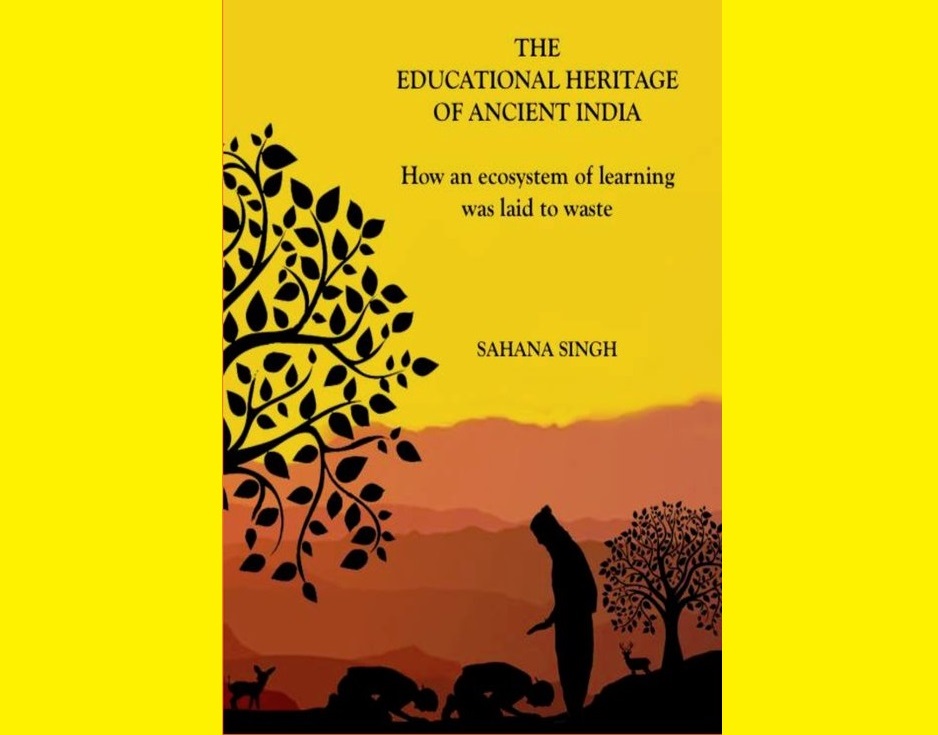
Book Review: The Educational Heritage of Ancient India by Sahana Singh
The Educational Heritage of Ancient India: How an Ecosystem of Learning was Laid to Waste by Sahana Singh is available on Amazon. In her book, The Educational Heritage of Ancient India, Sahana Singh shakes the More...
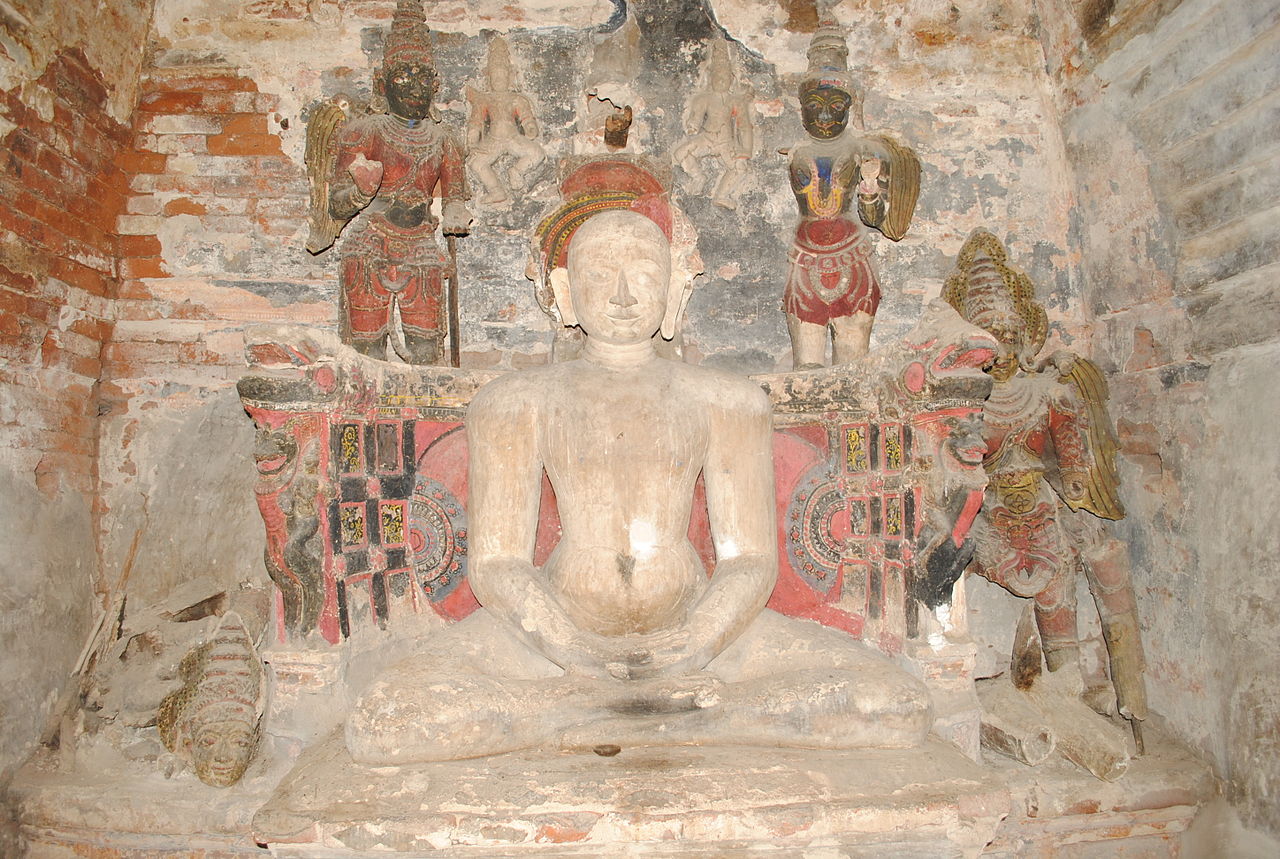
Genius of the Jains
[contextly_sidebar id=”sRDJUZQANeCN55doIbJM0F9BfxGKSchJ”] In my previous articles “Reconstructing the History of the Ājīvikas” and “Materialism in ancient India”, we discussed the intellectual More...
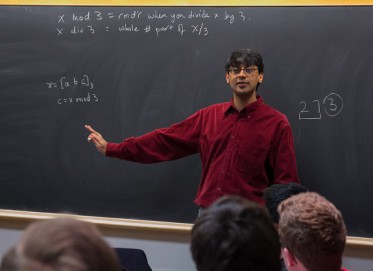
Preserve Sanskrit to preserve ancient Indian knowledge systems
Mathematics and mathematical thinking have been an important aspect of Indian culture for a long time. From ancient philosophical verses like “Poornasya poornamaadaaya poornamevaavashishyate” (Infinity More...