


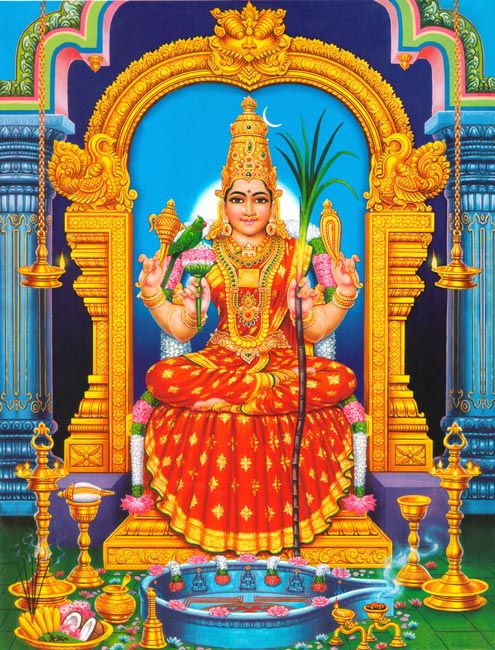
Text as the Metaphoric Body: Incorporation of Tripurā in Saundaryalaharī – IV
[contextly_sidebar id=”H1x0rp19rLprsjuRRM1xCAFFYdUAGCaO”] The Divine Body of Metaphors It is reasonable to conclude that SL constitutes three bodies of the goddess: the first section identified as Ānandalaharī More...

Text as the Metaphoric Body: Incorporation of Tripurā in Saundaryalaharī – III
[contextly_sidebar id=”kwSt9Pu0PMI18jdO309HsleD3iLdG6z4″] Verse 51: śive śṛṅgārārdrā taditarajane kutsanaparā | saroṣā gaṅgāyāṃ giriśacarite vismayavatī || harāhibhyo bhītā sarasiruhasaubhāgyajayinī47 More...
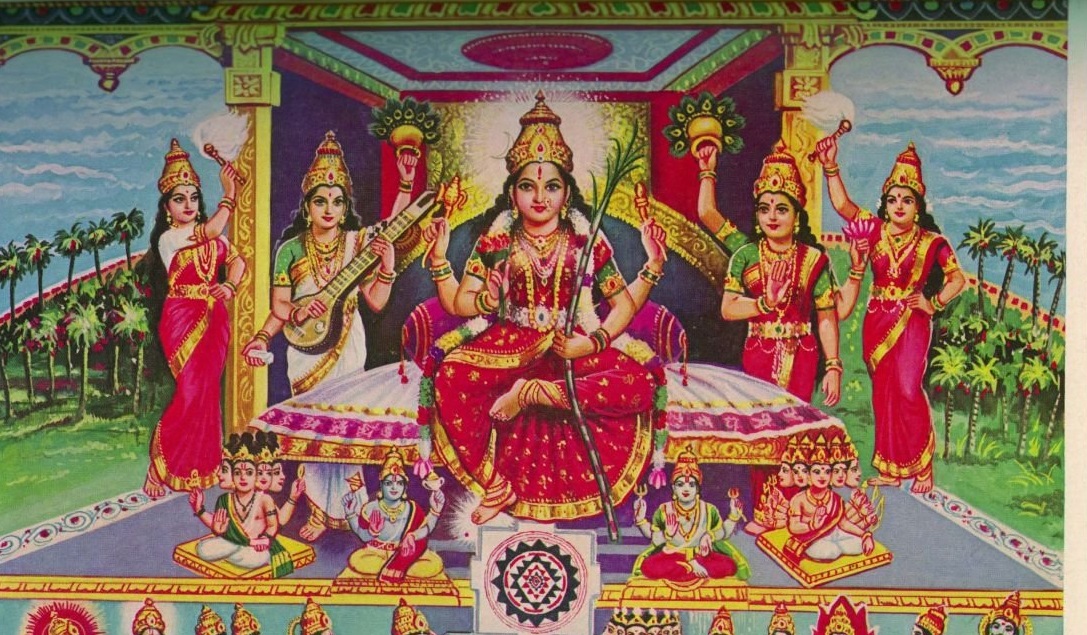
Text as the Metaphoric Body: Incorporation of Tripurā in Saundaryalaharī – II
[contextly_sidebar id=”wkUsDiEsW7zkITf4D7gdG0xz3IjbueDA”] Encountering the Divine Body of Bliss The significance and centrality of the divine body in SL is vivid, particularly in the second part, where More...
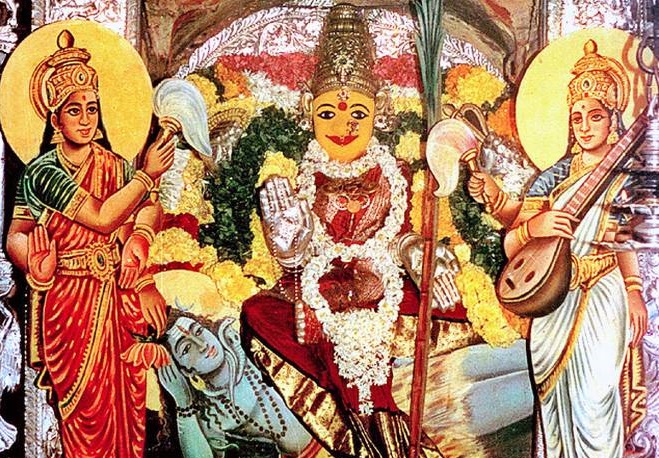
Text as the Metaphoric Body: Incorporation of Tripurā in Saundaryalaharī – I
Abstract Saundaryalaharī is a classical Sanskrit text in one hundred stanzas dedicated to the goddess Tripurasundarī. The central argument of this paper is that this devotional hymn – a textual body comprised More...