


Text as the Metaphoric Body: Incorporation of Tripurā in Saundaryalaharī – IV
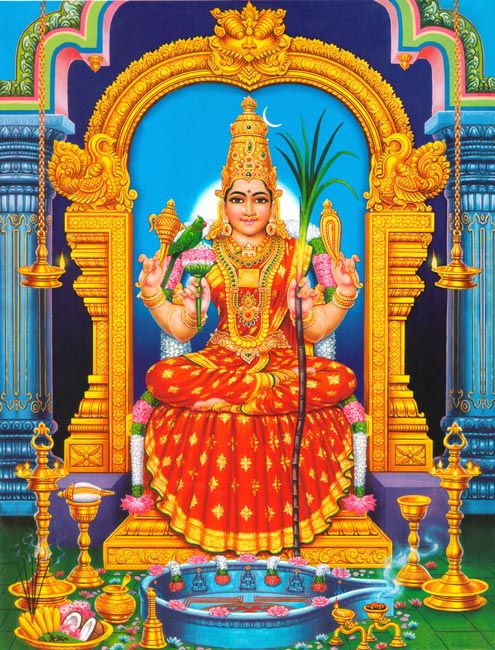
[contextly_sidebar id=”H1x0rp19rLprsjuRRM1xCAFFYdUAGCaO”] The Divine Body of Metaphors It is reasonable to conclude that SL constitutes three bodies of the goddess: the first section identified as Ānandalaharī generates the esoteric experience through ritual visualization, mantras and maṇḍalas, philosophical speculation, and the practice More...

Text as the Metaphoric Body: Incorporation of Tripurā in Saundaryalaharī – III
[contextly_sidebar id=”kwSt9Pu0PMI18jdO309HsleD3iLdG6z4″] Verse 51: śive śṛṅgārārdrā taditarajane kutsanaparā | saroṣā gaṅgāyāṃ giriśacarite vismayavatī || harāhibhyo bhītā sarasiruhasaubhāgyajayinī47 More...
Svādhyāya: Studying our Holy Books- II
[contextly_sidebar id=”1XW7Y5m40v5kZttjYEzUZ0AuT3D0MdHG”] Benefits of Studying our Scriptures Means of attaining all the goals of our Life Hindu Dharma states that every human being should have four More...

Visiting Natyashastra in the Ancient Paramparaa: A Vyaakhyaa by Prof Bharat Gupt
While our Shastras continue to be ignored at home and even ridiculed by the left liberals, some of our age old theories are being packaged as new thoughts of the millennium. David Mamet, the iconic American playwright-screenwriter-director, More...

Text as the Metaphoric Body: Incorporation of Tripurā in Saundaryalaharī – II
[contextly_sidebar id=”wkUsDiEsW7zkITf4D7gdG0xz3IjbueDA”] Encountering the Divine Body of Bliss The significance and centrality of the divine body in SL is vivid, particularly in the second part, where More...
Text as the Metaphoric Body: Incorporation of Tripurā in Saundaryalaharī – I
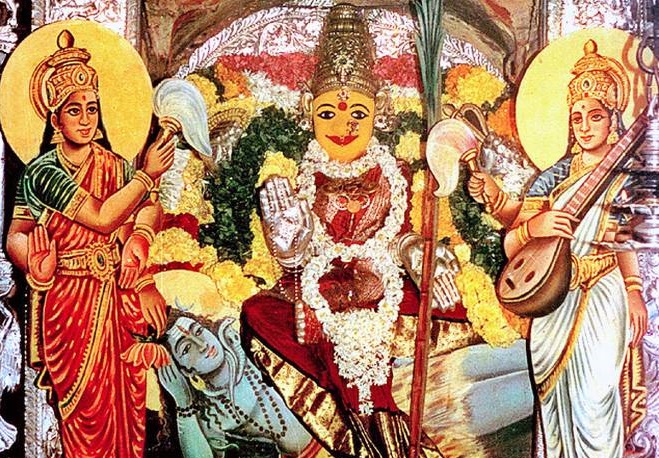
Abstract Saundaryalaharī is a classical Sanskrit text in one hundred stanzas dedicated to the goddess Tripurasundarī. The central argument of this paper is that this devotional hymn – a textual body comprised More...

The Mughal tax break that cost India its freedom
It was a Mughal emperor who in 1717 paved the way for British colonial rule in India. This is how it happened. Since the year 1600 the English had been trying to gain a foothold in India, but were not able to break More...

Vena, Veda, Venus
Introduction The name Venus is from the Roman goddess of natural productivity and also of love and beauty. The Greeks called this planet Aphrodite and also Eosphoros or the ‘bringer of light’ when it appeared More...
Svādhyāya: Studying our Holy Books- I
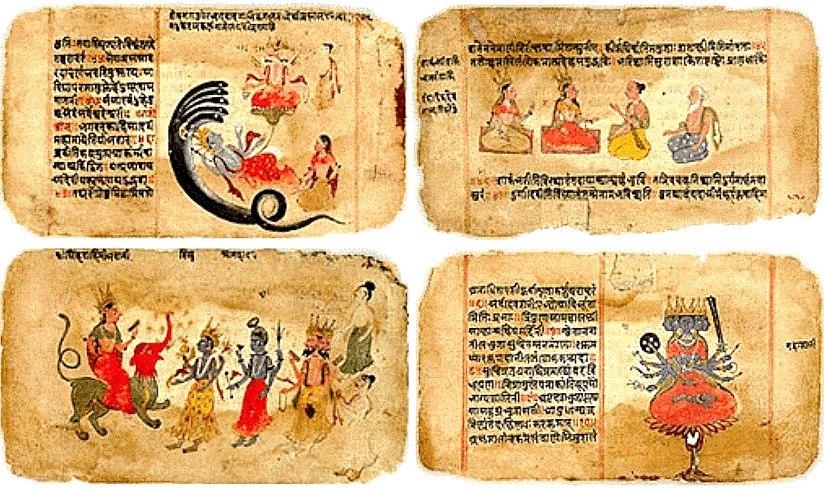
The Hindu tradition lays great stress on the study of scriptures. It is considered a religious duty for Hindus to study and recite their scriptures on a daily basis, if possible. In particular, Hindu priests are More...

Semantics of Nothingness: Bhartrhari’s Philosophy of Negation – II
[contextly_sidebar id=”7ytl9qhAGsoHfl9n92mCIg2tyVdlQY6t”] Compounds with Negative Particles and the Metaphysics of Negation An oft-cited verse identifies six different meanings of the negative particle: The More...