


Sources of Hindu Dharma – II
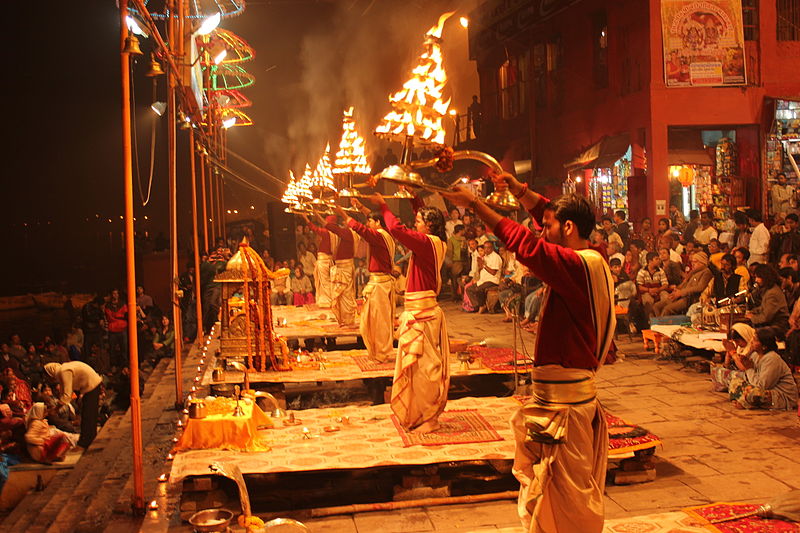
[contextly_sidebar id=”GLEJYd5HOnUrFsgEnyQSawX7DAmrz1Iu”] In the previous article, we examined different sources of dharma like Shruti, Smriti, Sadāchāra or Shishtāchāra, Ātmapriya or Ātmatushti, noble resolve and traditions. Now, let us look a bit more into comparative priority of these different sources of Dharma and other related More...

Semantics of Nothingness: Bhartrhari’s Philosophy of Negation – I
Introduction1 Bhartrhari (fl. 450 CE) is one of the foremost philosophers of classical India. While there are many narratives relating the story of his life, that he was a king-turned-hermit, the author of three More...

How British destroyed Indian Textile Industry
Background Indian textile industry has been considered one of the finest textile industries of the world from ancient times. It is believed that India became the “golden sparrow” in the past because of this More...
Sources of Hindu Dharma – I
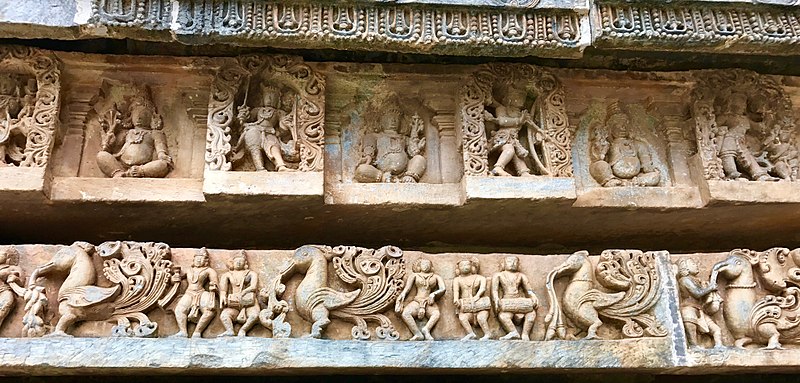
In Hindu Dharma, the following four are considered the most authoritative sources of Dharma – the Vedic scriptures (Shruti), the Smriti scriptures, the good practices followed by the virtuous or traditional practices More...
Yoga as a prelude to Svadhyaya in sculptures
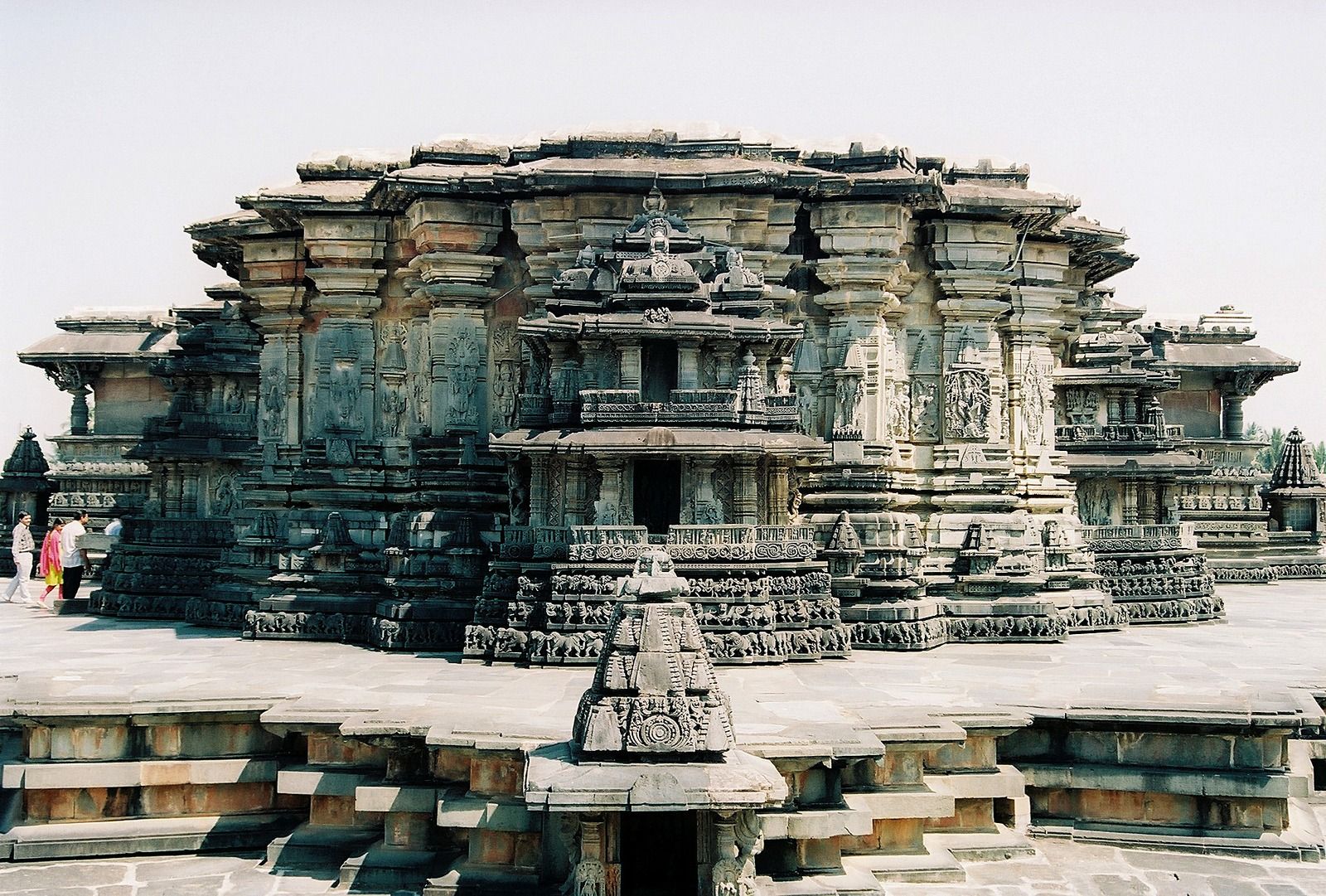
The apsara sculpture of the Belur Chennakeshava temple depicts a divyangana explaining the scriptures. The two figures of Jalasanghi and Chinchanasur at Bidar district show a woman writing a letter on a plank. The More...
Voluntary death in Sanatana Dharma
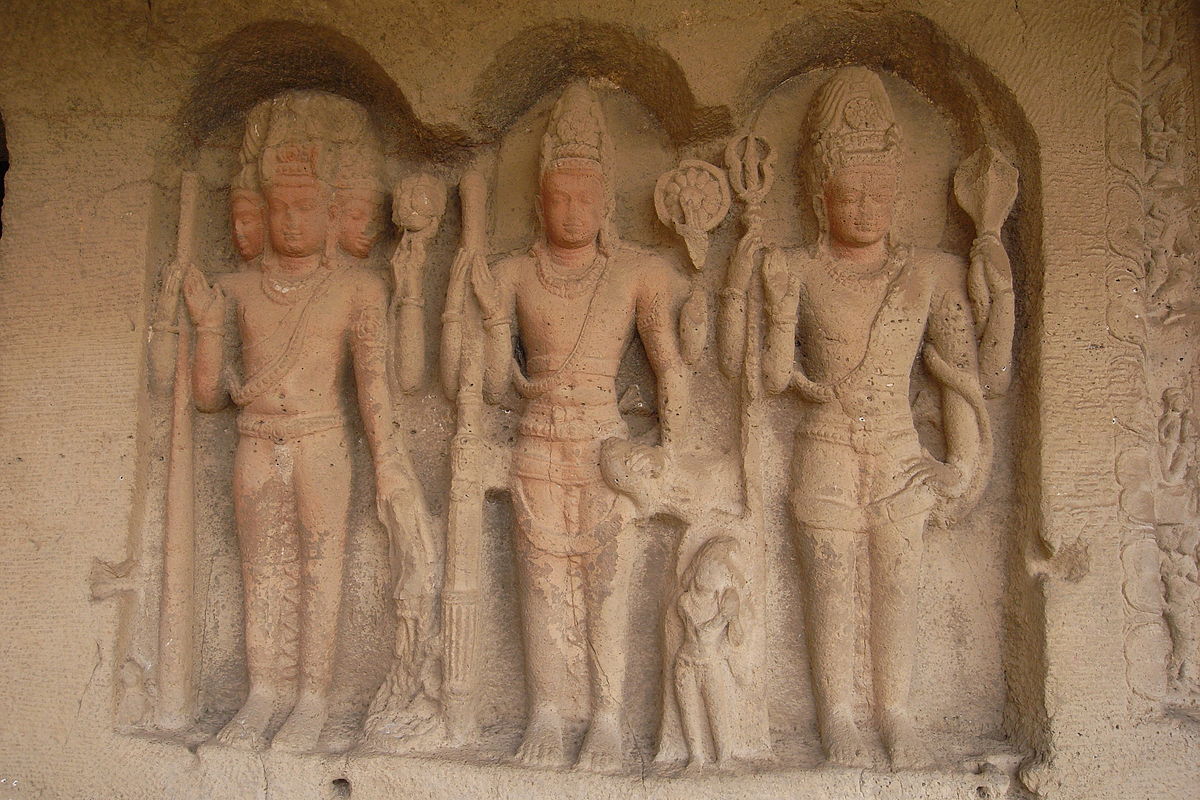
[contextly_sidebar id=”PYl6G6IkFknYKACFWgIjvJ1iOVMk0NRH”] Death is considered a very frightening and unwanted event because it ends the visible existence of a living being. Since realms other than the More...
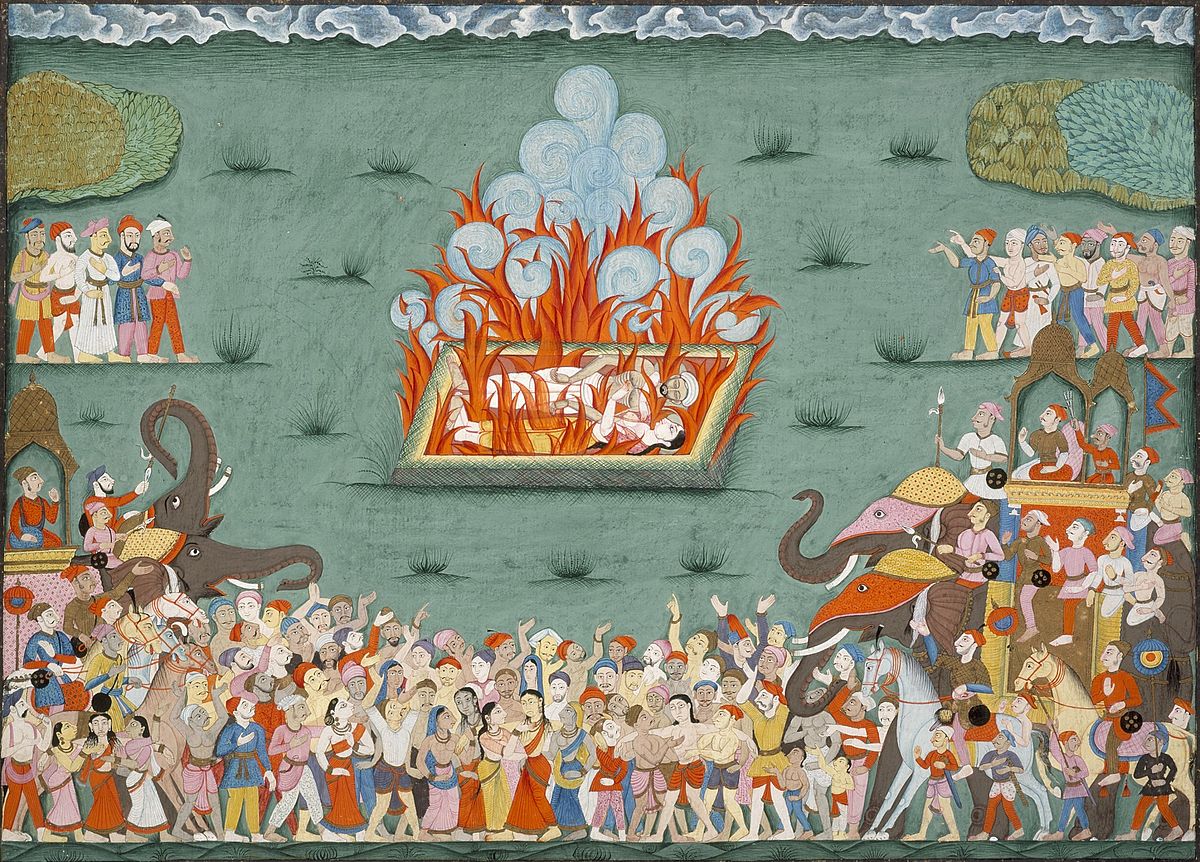
Sati: Re-examining the Historical Evidence from 1900BCE to 1900CE
[contextly_sidebar id=”GnN0AGXJ2EVZMovhWu4XYV84TjQvXvBe”] Sati is a practice of self-immolation of a widow either on her husband’s pyre or separately after her husband’s death. Polemics against Hinduism More...
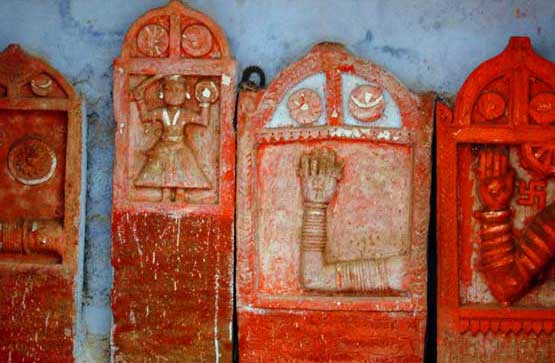
Revisiting Sati: Understanding the practice from a Dharmic perspective
[contextly_sidebar id=”acWzuURyvfuWPjeDVITpj3Oj8fUD7s0M”] Sati or “Widow-burning” as it is pejoratively called in the Colonial and Post-Colonial media and literature, has remained one of the most More...
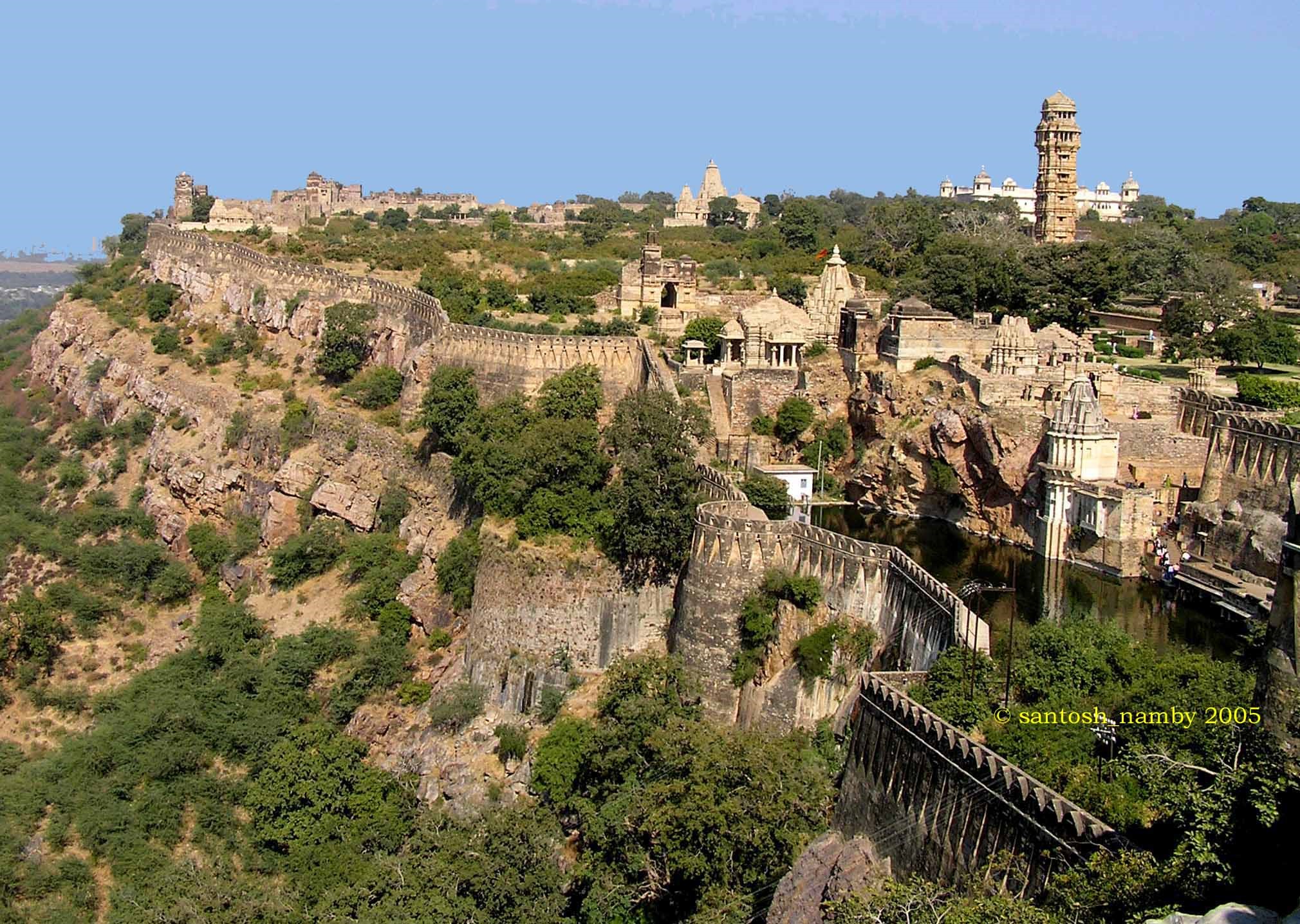
Jauhar-Shaka: When The Enemy Was At The Gate
[contextly_sidebar id=”Dy1qOa5oqIvbLXjcVsEjmX0JuG4SeCq2″] When the enemy was at the fort gates, when rations ran out, and when defeat was certain, Rajput kingdoms, especially in northwestern India followed More...
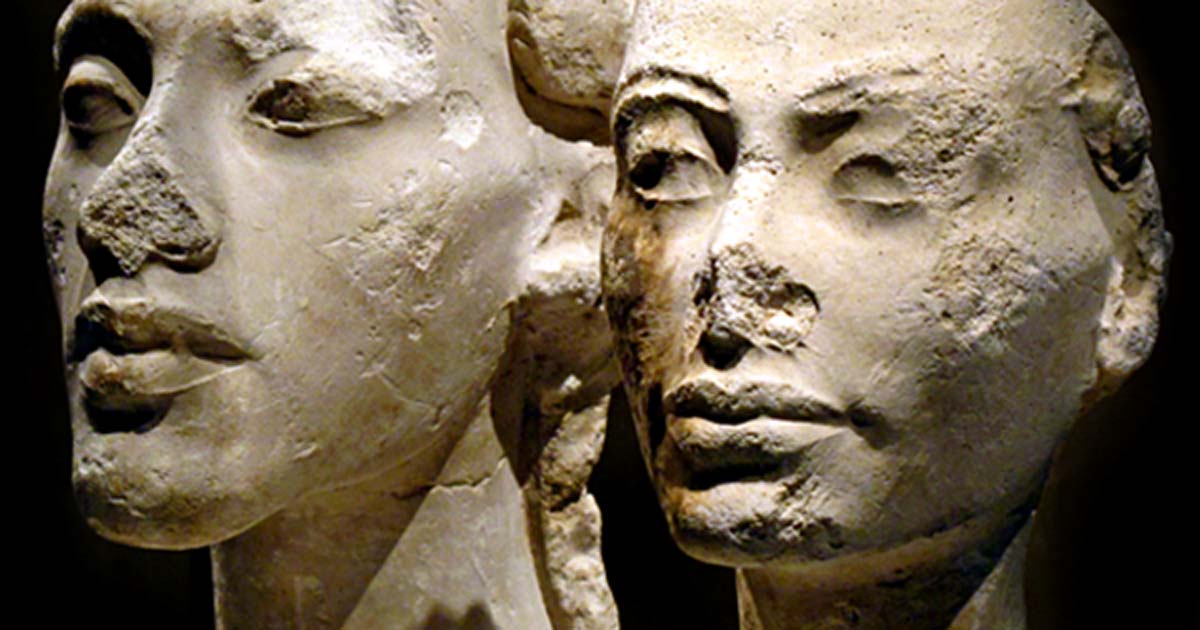
The Practice of Nose-Cutting in the Ancient World
In the list of bizarre misinterpretations of ancient Indian thought by Devdutt Pattanaik, one could add his reading of the Śūrpaṇakhā episode in the Rāmāyaṇa, as evident from this tweet: “After More...