


Who Really got the Divine Mango: Gaṇeśa or Kārthikeya?
Dhārmic traditions rarely stipulate hard and fast rules which makes them the most natural and the most evolved of all traditions. This freedom is what paves the way to higher possibilities in life experiences. More...
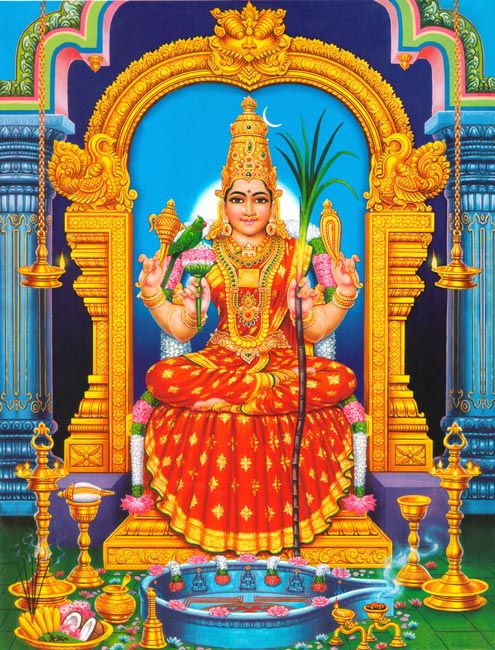
Text as the Metaphoric Body: Incorporation of Tripurā in Saundaryalaharī – IV
[contextly_sidebar id=”H1x0rp19rLprsjuRRM1xCAFFYdUAGCaO”] The Divine Body of Metaphors It is reasonable to conclude that SL constitutes three bodies of the goddess: the first section identified as Ānandalaharī More...

Text as the Metaphoric Body: Incorporation of Tripurā in Saundaryalaharī – III
[contextly_sidebar id=”kwSt9Pu0PMI18jdO309HsleD3iLdG6z4″] Verse 51: śive śṛṅgārārdrā taditarajane kutsanaparā | saroṣā gaṅgāyāṃ giriśacarite vismayavatī || harāhibhyo bhītā sarasiruhasaubhāgyajayinī47 More...
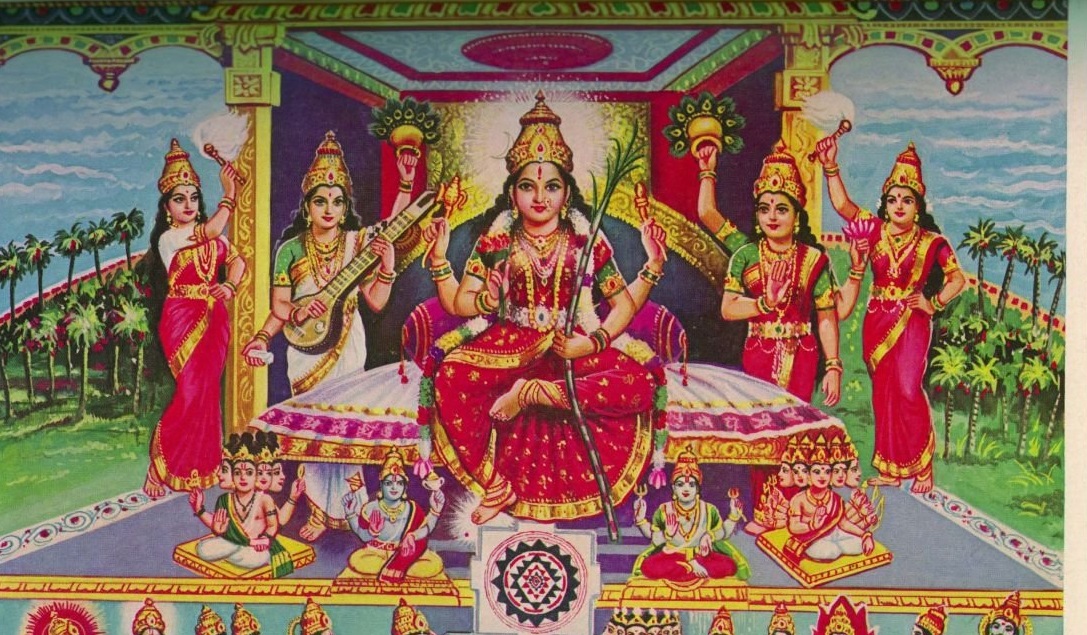
Text as the Metaphoric Body: Incorporation of Tripurā in Saundaryalaharī – II
[contextly_sidebar id=”wkUsDiEsW7zkITf4D7gdG0xz3IjbueDA”] Encountering the Divine Body of Bliss The significance and centrality of the divine body in SL is vivid, particularly in the second part, where More...
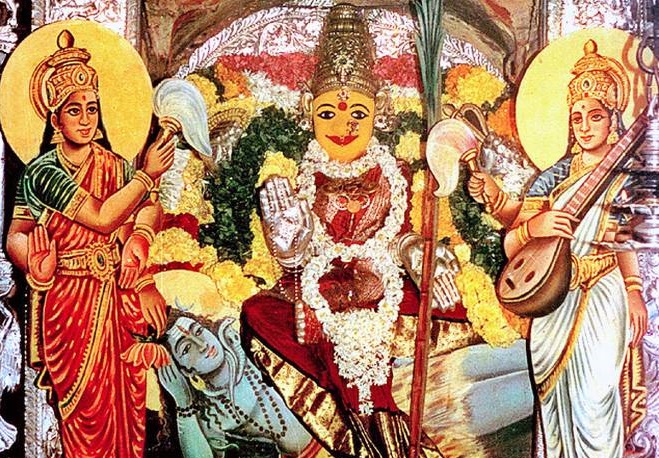
Text as the Metaphoric Body: Incorporation of Tripurā in Saundaryalaharī – I
Abstract Saundaryalaharī is a classical Sanskrit text in one hundred stanzas dedicated to the goddess Tripurasundarī. The central argument of this paper is that this devotional hymn – a textual body comprised More...