


The Spirit of Shambo (2007) Lives on: The Bull about Beef and a Metaphor for Dharmic Ethics
(Some events within this piece are a flashback – they occurred in July 2007. They are a TRUE dialogue based exclusively on an e-mail conversation between two friends, VC = a dear friend, Vijay a lifelong Vegetarian More...
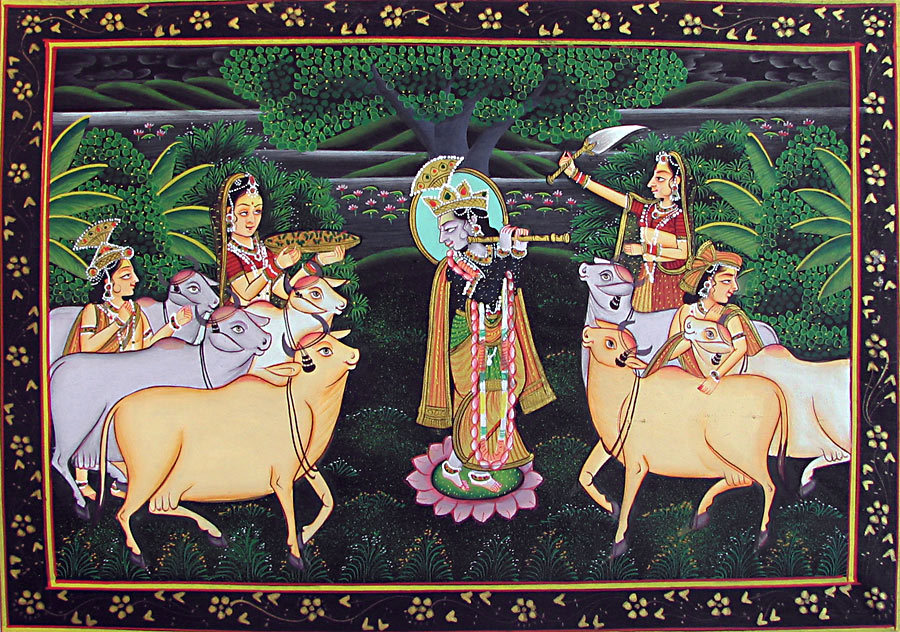
Beef against Beef
“Auschwitz begins wherever someone looks at a slaughterhouse and thinks:they’re only animals.” – Theodor W. Adorno On 30 September, the Delhi edition of the Indian Express carried an unspeakably More...
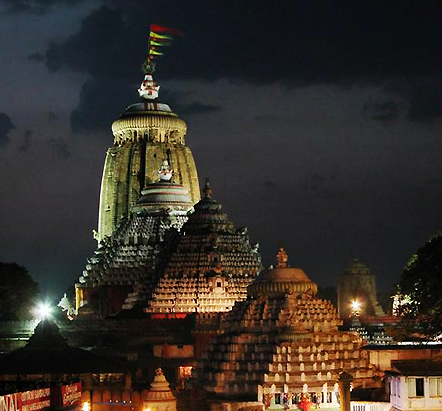
Temples and the State in the Indian Tradition: Part 3
The third part of the series on Hindu Temples, their conception, history, heritage and legacy authored by M.D. Srinivas. [contextly_sidebar id=”xUvEeUBwpbitTV9kizglKYHk5hfeLZ4r”] The state in India More...
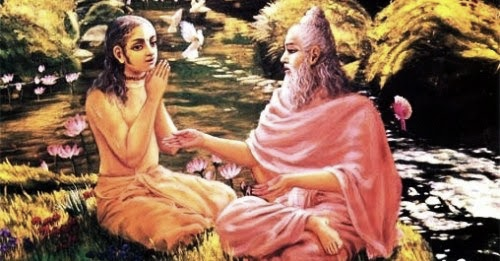
The Hindu View on Freedom of Expression and Public Discourse
This essay was jointly authored by Hari Ravikumar. For a moment, just try to visualize the kind of public debates that happen today, on television, in the newspapers, and in person. In the light of these images More...
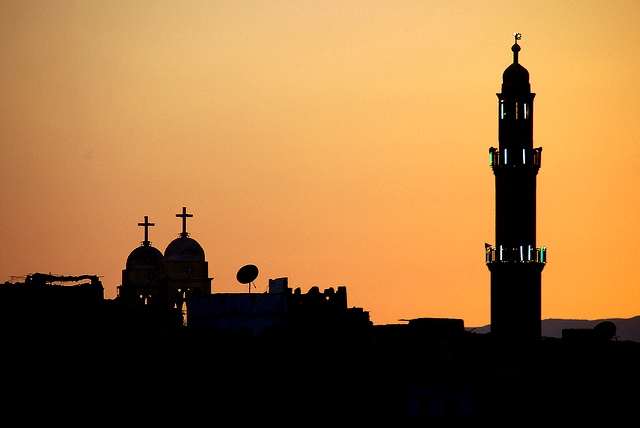
Historical Hindu Responses to Abrahamism
The Hindu encounter with Abrahamism began with the initial expansions of the second (Christ cult) and third (Mohammedanism) versions. Hindus were among the early victims of the second Abrahamism in the holy war More...
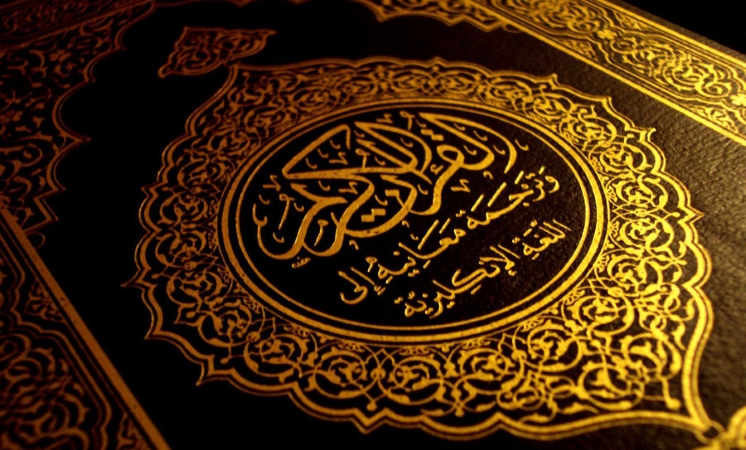
Analysing the Quran through a Dharmic Perspective: Introduction
This essay is the first part of a series that analyses the Quran using a Dharmic perspective. It is a translation of the Bengali booklet titled “Allah Ke” (Who is Allah?) published in the early 1930s, authored More...
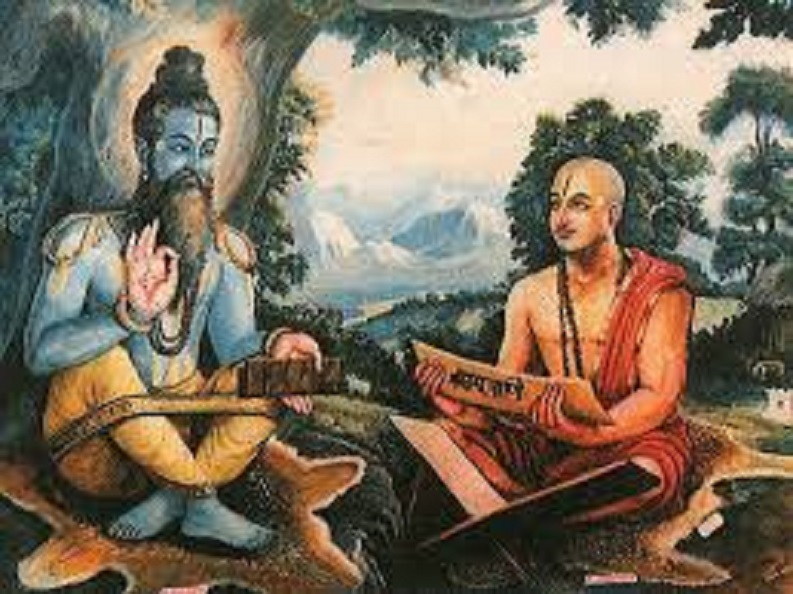
Dharma, not Wing politics should guide India
The story goes that the terms Right wing (RW) & Left wing (LW) were first used in the French Parliament soon after the bloody revolution. The right-wingers were cultured, mostly rich and more importantly, didn’t More...
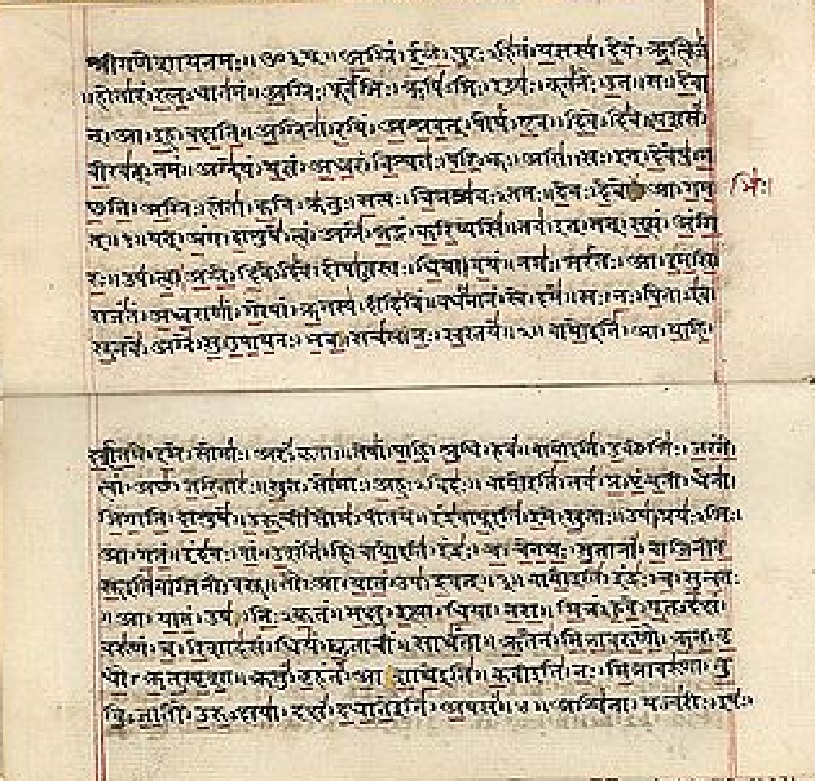
Foundational Texts of Hinduism
[contextly_sidebar id=”0kRA9p0AseV0c8qQz9LfXdoj5KuqVt8f”] The foundational texts of Hinduism have, for centuries, been transmitted by means of an oral tradition – teachers taught this to their disciples, More...

The Pillars of Indian Culture: Ṛta, Ṛṇa, Dharma
[contextly_sidebar id=”GKZ8KCx2A2eVKheRiAMi2aAWOefgFrnX”] True realization of value takes us closer to the Vedic concept of ṛta. The word ṛta has no equivalent in English but can loosely be translated More...
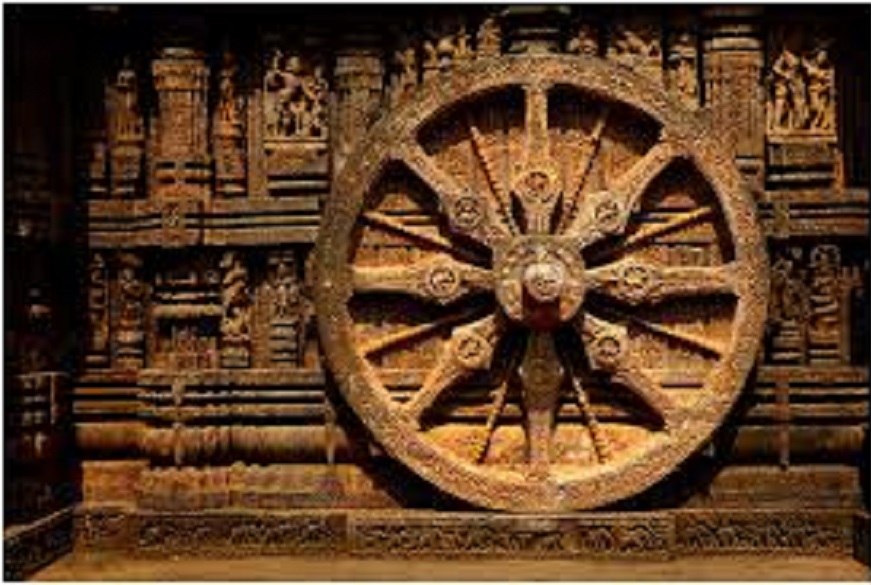
Classification of Dharma
This is the next part in the IndiaFacts series on Hinduism. Links to the previous parts. Dharma is divided into two groups: sāmānyadharma (general or universal principles) and viśeṣadharma (special or particular More...