


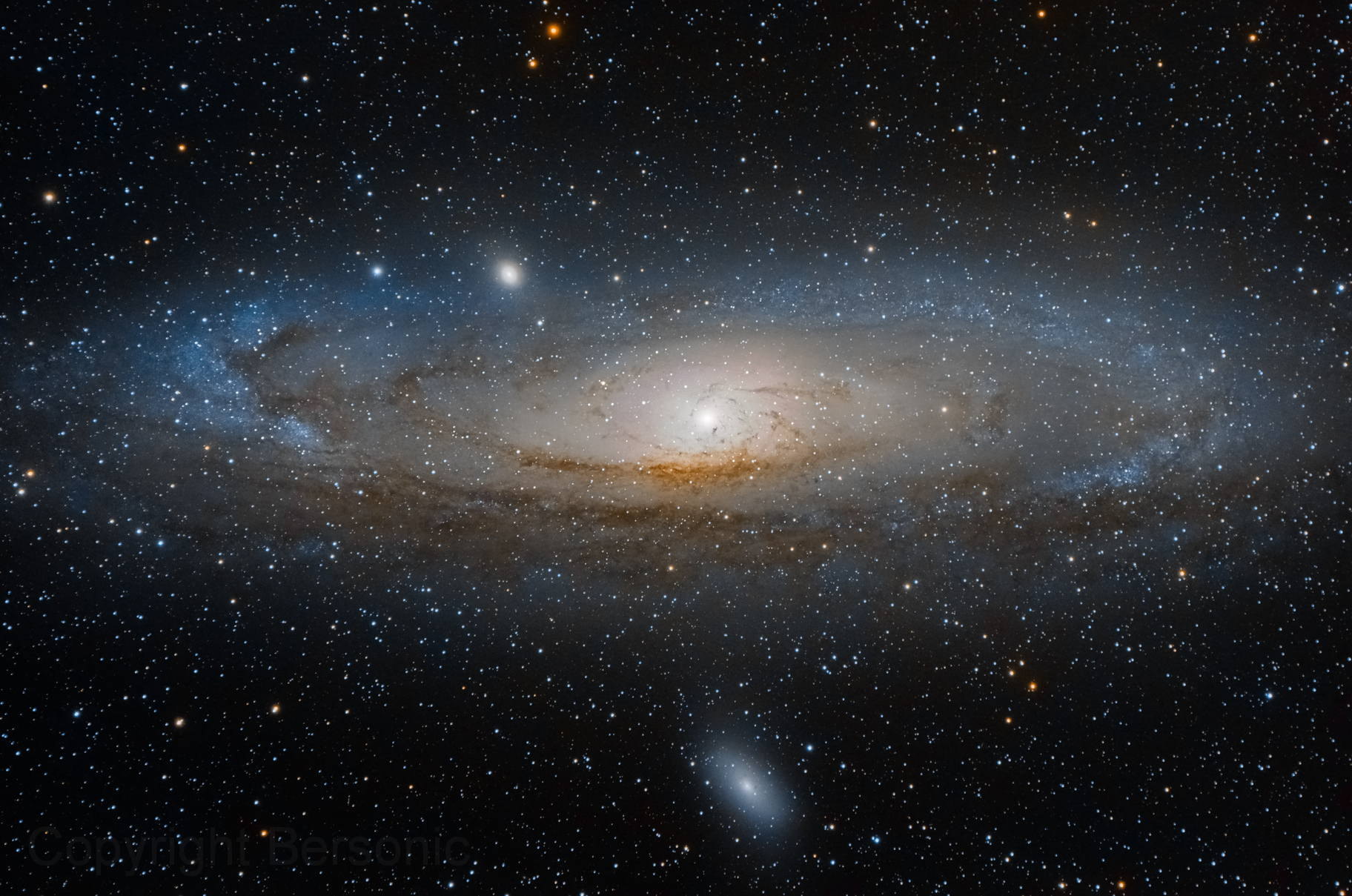
Nāsadīya Sūkta – Vedantic Commentary
The Nāsadīya Sūkta is the 129th sUkta in the 10th Mandala of the Rg Veda. It is one among many Sūktas that talk about the nature of the self and the body, as well as the nature of the Supreme Brahman. Curiously, More...
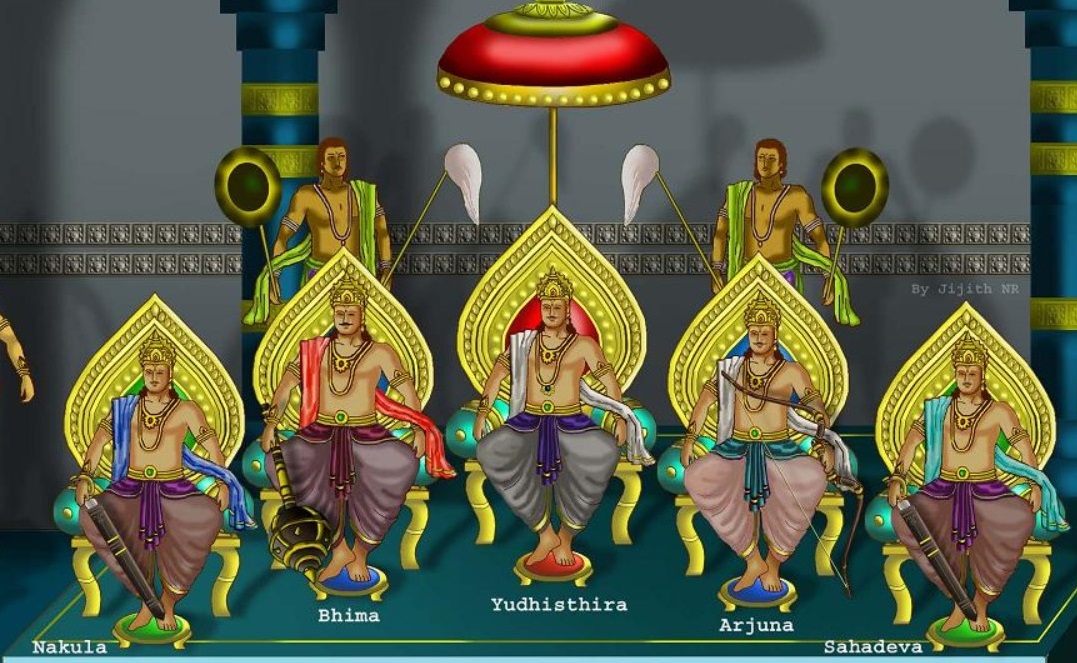
AncientVoice: A Digital Portal to Veda-Itihāsa-Purānas
Abstract AncientVoice is an online portal containing 23,000 plus wikified pages on Mahābhārata, Rāmāyana, Ṛgveda, Yajurveda (both Kṛṣna and Sukla recensions), Sāmaveda, Atharvaveda and Vishnu Purāna. More...
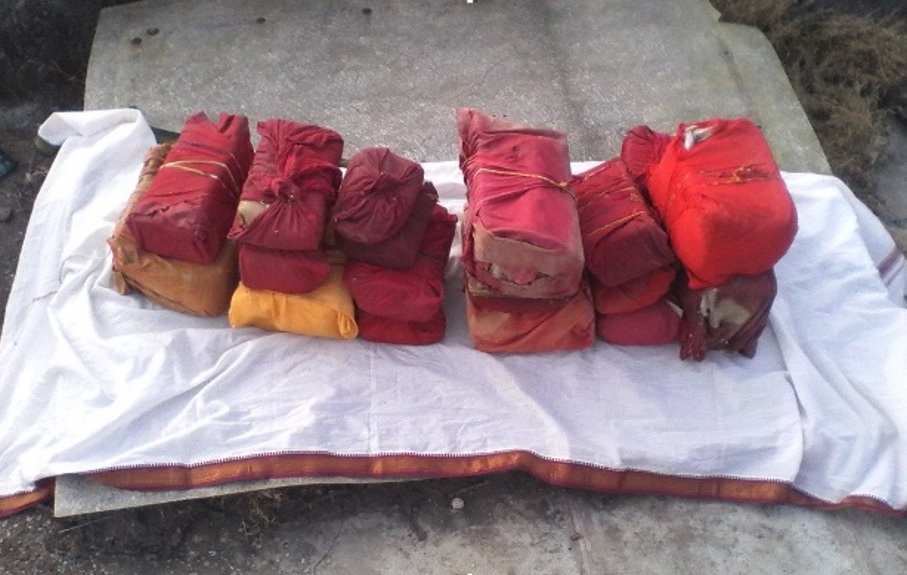
After millennia a Tradition is Reborn
Picture 1 Mohit Bharadwaj Mohit Bharadwaj is a man on a mission. He wants to have the 21 nitya sacrifices performed again in Madhyadesa, the original homeland of the Vedas and the very air ring with the songs of More...
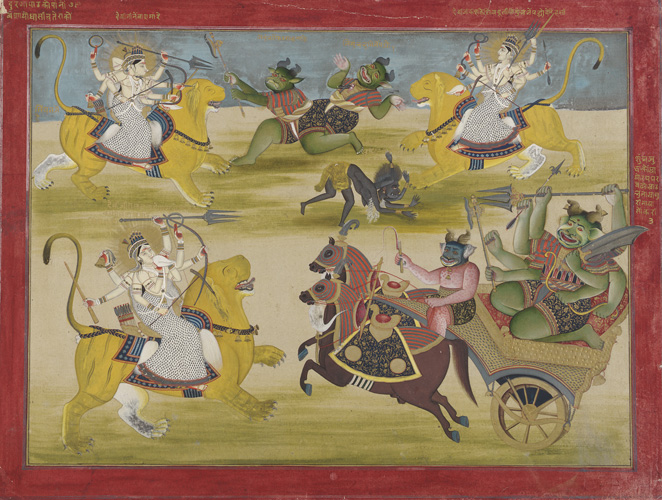
The Agnostic God and the Problem of Evil: Examining the Hindu view
The Problem of Evil is one that has perplexed every civilization on earth. And it is a problem that is inextricably linked to the idea of God and his nature. Is there a God? If yes, then he should, by definition, More...
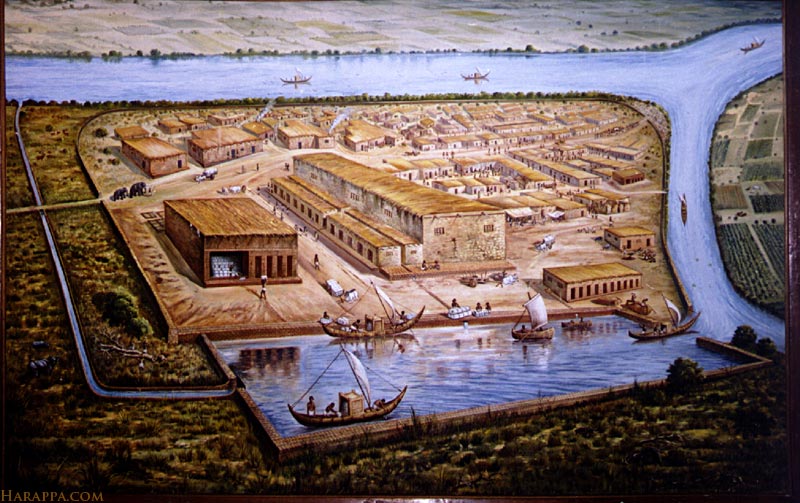
The memory of a lost civilization
Sri David Frawley once noted a highly anomalous paradox in Indian history. On the one hand, we had the largest Bronze Age civilization of the world. The Sindhu-Sarasvati civilization (SSC). It was many times larger More...
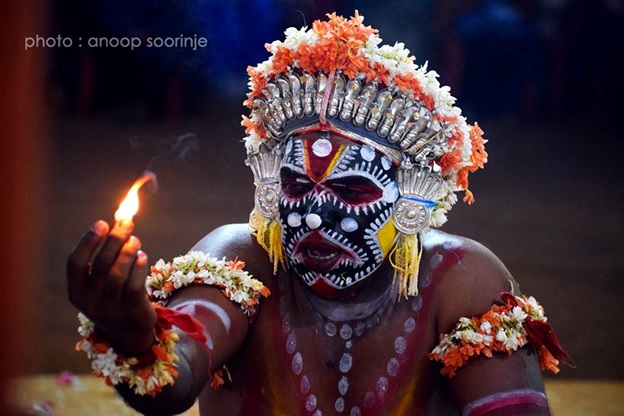
Bhoota Aradhane: Where ‘possession’ is an art
Tulu Nadu (ie, Dakshina Kannada and parts of Udupi district of Karnataka) is known for its unique cultural heritage. An important part of its culture is ‘Bhoota Aradhane’ (also known as Daiva Aradhane) or More...
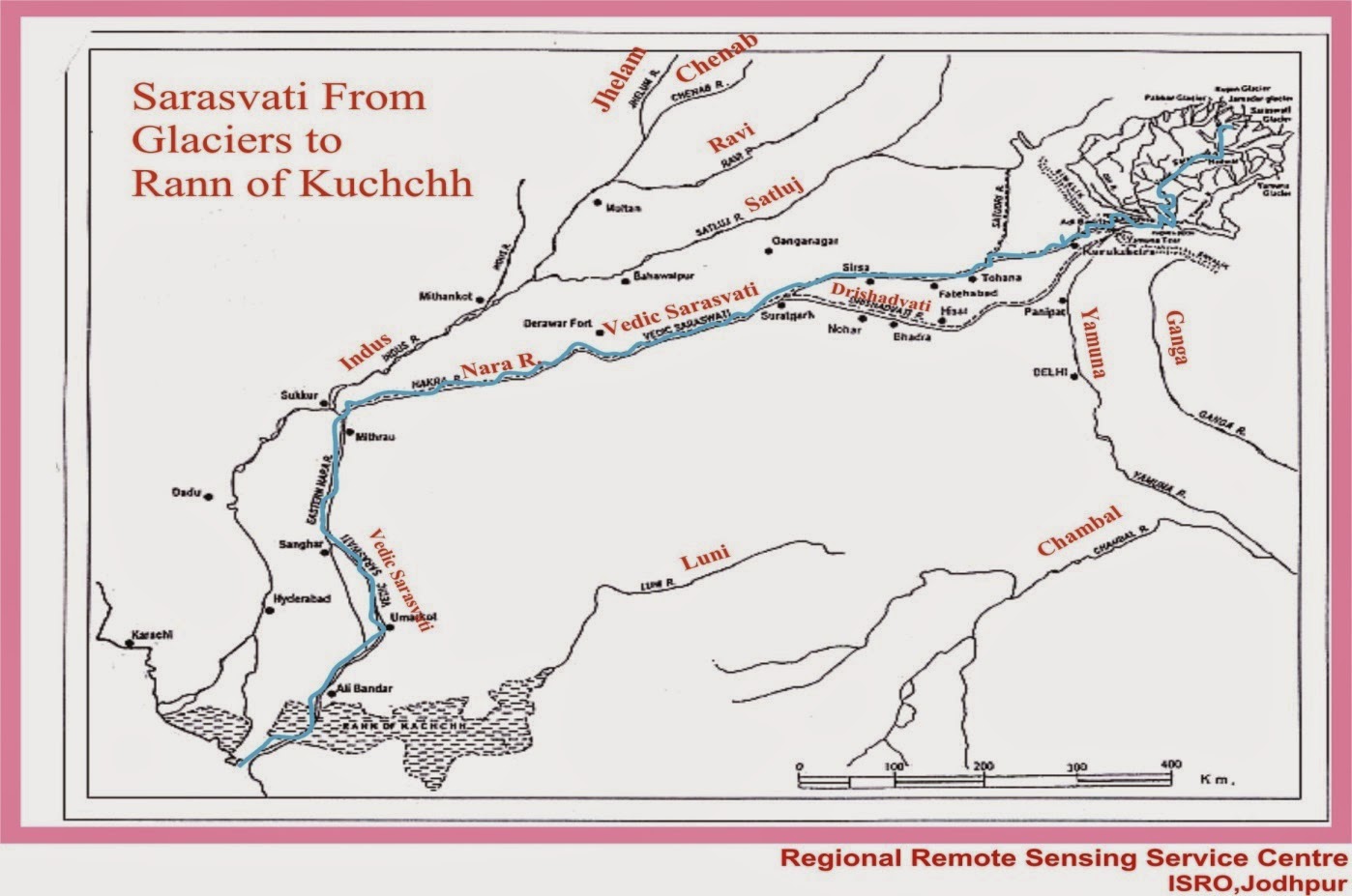
River Sarasvati as Eulogised in Rig Veda
Sarasvati is celebrated both as a river deity, as her name and as the goddess of knowledge and ‘vak’-speech personified, is so identified because of her act of “flow”. Etymologically the word sara means More...
In the beginning- III: One or many
[contextly_sidebar id=”8qdJisMQroO8Anuh4S0QqcMAaWeHp6rQ”] Contrary to the modern mainstream belief that religio-philosophical beliefs developed from primitive crude ritualistic nature-worship and/or More...
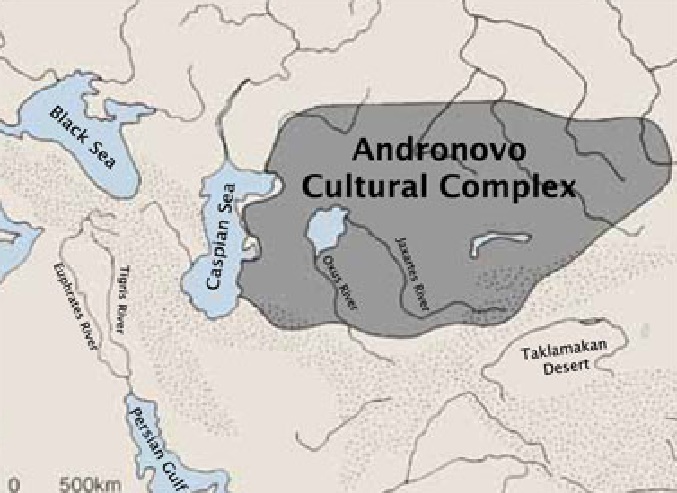
The Andronovo cradle of the Indo-Iranians?
In 2006, the late Russian archaeologist Elena Kuzmina wrote a hefty book on the Origin of the Indo-Iranians (Brill, Leiden). It gives a very detailed history of the Andronovo culture and its surroundings in time More...