


Nārada Śilpaśāstra: Sanskrit Text on Architectural Civil Engineering
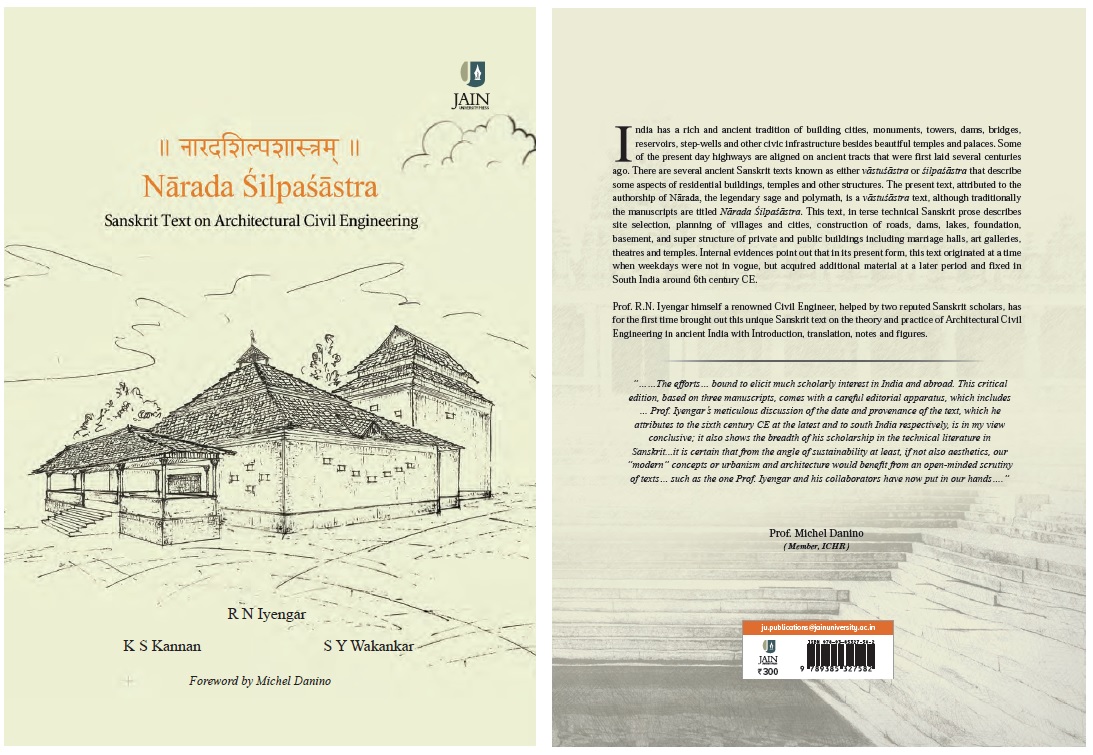
India has a rich history of building temples, monuments, well-planned cities, palaces, buildings, dams, water tanks, reservoirs, bridges, you name it. While our current curriculum of civil engineering relies only the modern theories and practices largely imported from the West, if we dig deep enough we could find a large treasure of advanced civil More...
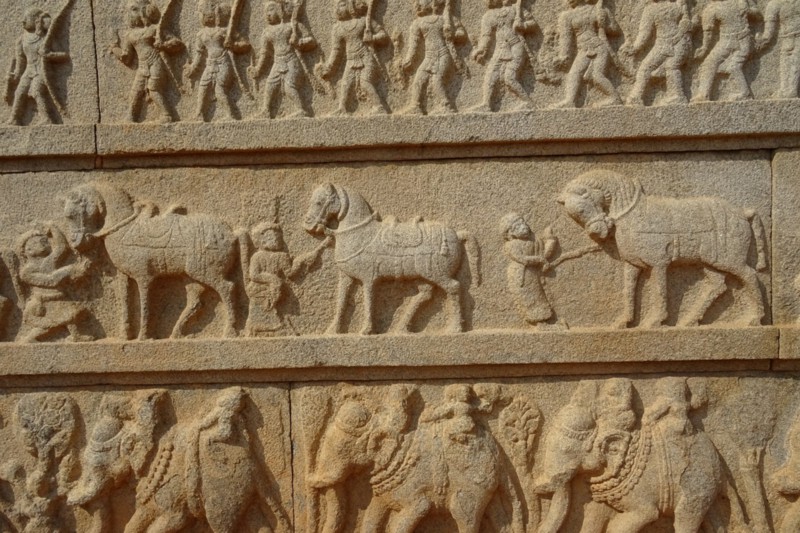
The Death of Proto-Indo-European
In the 19th century, linguists came up with the idea that nearly all modern European languages are descended from an ancestor language called Proto-Indo-European (PIE), which they proposed was spoken prior to about More...
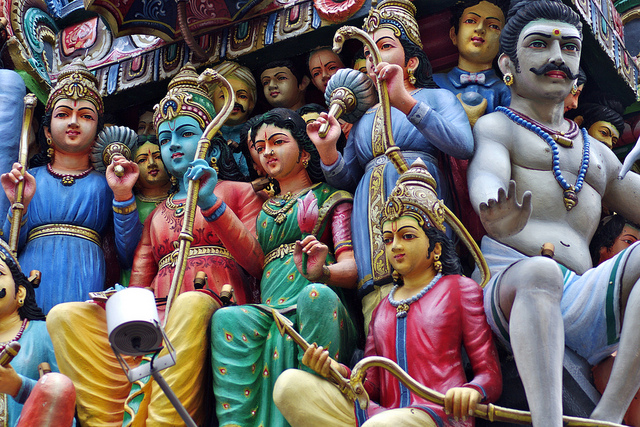
The General Framework of Hinduism- I
Abstract The purpose of this paper is to present the general framework of Hinduism to develop our understanding of its nature and core principles and their significance to help resolve the tensions and complexities More...

Reflections on Bhakti- III: Defining ‘Bhakti’
[contextly_sidebar id=”YCel1nDVI31jwrSiIk01xbZQ05ERZvpP”] In the previous article while elaborating about how Bhakti is conceived as the ultimate Purushartha either independently or through its relationship More...

10th Inter Pathshala Vedic Competition by Om Charitable Trust
वेदोऽखिलो धर्ममूलं स्मृतिशीले च तद्विदाम् । आचारश्चैव साधूनामात्मनस्तुष्टिरेव More...

Hindu-like Gods in South Mesopotamia of early 2nd Millennium BCE- I
The Gods of ancient Mesopotamia are many totalling to more than 3000. Yet there are some without names whose identity is beyond the perception of the researchers of the West and Near East but which are easily identifiable More...
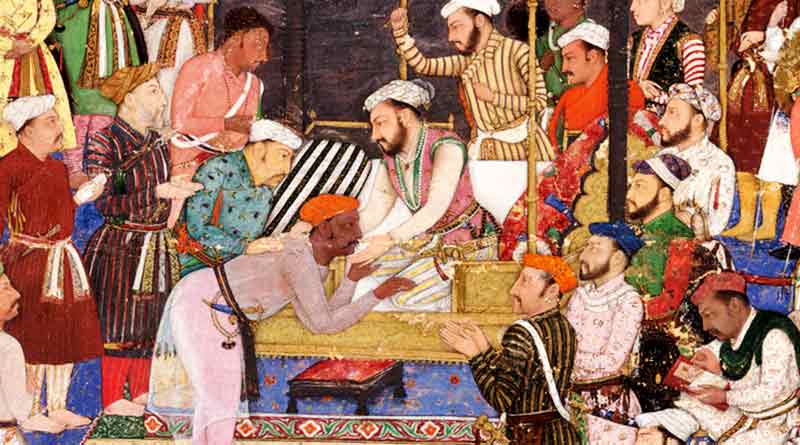
How Indian was the Mughal Empire?
In 1937, elections were held for the Constituent Assembly of India. This was on top of Provincial Governments already being run by Indians, not to mention many municipalities and municipal corporations. All this More...

The Concept of Ābhāsa in the Yogavāsiṣṭha – 3
[contextly_sidebar id=”qiROLwtmhx7sIICV7YUl9hZDoAGwoWlQ”] Abhāsa as Pure Consciousness The above description establishes that, depending upon the context, the concept of ābhāsa confirms subjective More...

The Concept of Ābhāsa in the Yogavāsiṣṭha – 2
[contextly_sidebar id=”UlyKsjwAFnnGUQk9DQrBro0r0eLhljI5″] Ābhāsa in the Mokṣopāyaśāstra/Yogavāsiṣṭha[1] The illusory nature of ābhāsa is consistently found in both Buddhist sources and More...

Interpreting the Bhagavad Gita: Contrasting the views of Sankara and Ramanuja
The Bhagavad Gita is arguably the most revered text in the Hindu religious tradition. It is almost universally regarded as one of the three canonical works of Hindu philosophy (Prasthanatrayi) with the other two More...